Introduction
“Well-spoken words become productive with action.”
The Dhammapada, a revered anthology within the Theravāda tradition, comprises 423 verses attributed to the Buddha, encapsulating profound teachings on ethical conduct, mental discipline, and the path to liberation. It is arguably the most popular and beloved Buddhist text in the world. Composed in Pāli, the language of the early Buddhist texts, its title translates as "Words of Truth" reflecting its role as a guide to righteous living and spiritual awakening. Dhamma renders as “Truth,” in reference to Buddha’s teachings. This concept of Truth is literal, as the Buddha’s teachings require not faith but logic and transparency where the student thoughtfully learns and thus confidently understands the teachings as the truth. Often, Dhammapada remains untranslated: the Dhammapada is simply the title. This work stands as a succinct distillation of the Buddha's wisdom — in Buddha's own words — drawing from incidents in his life and teachings, and continues to inspire practitioners across generations.
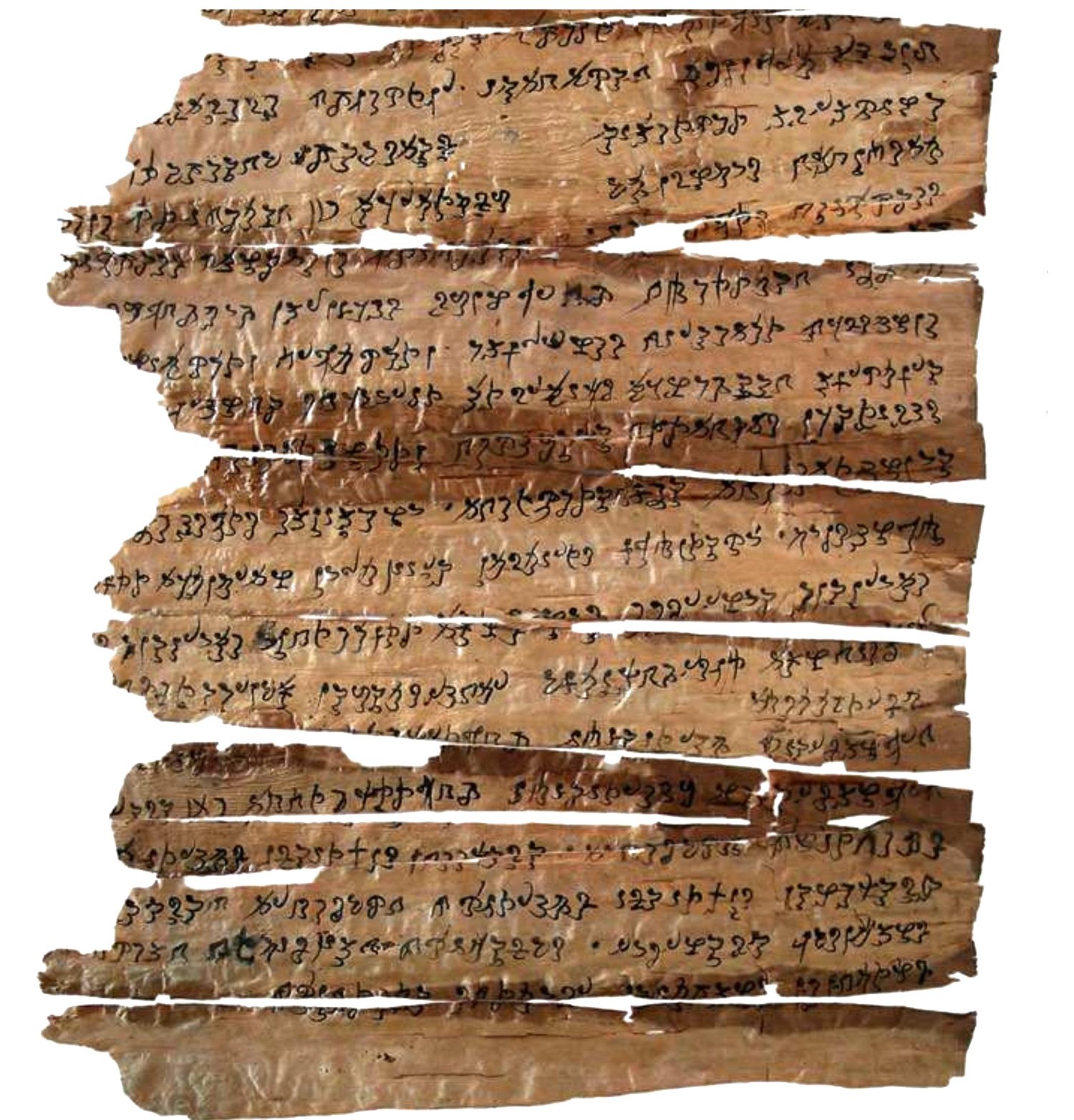
The origins of the Dhammapada trace back to the sixth century BCE, when Siddhattha Gotama, the historical Buddha, attained enlightenment in northern India and began disseminating his insights. He was born in Lumbini, which is in modern-day Nepal. According to Theravāda accounts, each verse was uttered by the Buddha in response to specific circumstances, addressing the needs of individuals or communities encountering moral dilemmas or spiritual queries. These verses were orally transmitted by the Saṅgha (community of monks) and later compiled during the early Buddhist councils, particularly the first council held shortly after the Buddha's parinibbāna (final passing). By the time of the third council under Emperor Asoka in the third century BCE, the text had been integrated into the Pāli Canon, known as the Tipiṭaka. The Dhammapada forms part of the Khuddaka Nikāya (Minor Collection) within the Sutta Piṭaka (Basket of Discourses), one of the three divisions of the Tipiṭaka. Its compilation is further illuminated by the fifth-century CE commentary, the Dhammapada-aṭṭhakathā, authored by Bhadantācariya Buddhaghosa, which preserves ancient narratives explaining the context of each verse. This historical layering underscores the text's evolution from oral teachings to a canonical scripture, preserved primarily in the Theravāda schools of Sri Lanka, Burma (Myanmar), and Thailand, where it has been transmitted through monastic lineages for over two millennia. Newly discovered Gandhāran Buddhist texts contain the oldest existing Dhammapada manuscript found so far, dating from about the first century BCE to third century CE.
Within the vast expanse of the Tipiṭaka, the Dhammapada holds a preeminent position as the most concise and accessible expression of the Buddha's doctrines. It is often regarded as the "chief spiritual testament" of early Buddhism, distilling the essence of longer suttas into memorable, poetic verses that facilitate memorization and recitation. In Theravāda countries, it serves multifaceted roles: as a foundational text for novice monks, a source for sermons and ethical instruction, and a meditative companion for lay and ordained practitioners alike. Its importance is amplified by its universal appeal, transcending sectarian boundaries while remaining firmly rooted in the Pāli tradition, making it one of the most translated and studied Buddhist texts globally. Scholarly analyses highlight its structural organization into twenty-six chapters (vagga), grouped thematically around topics like the mind (citta), alertness (appamāda), and the immature (bāla). This arrangement, though not systematic in a philosophical sense, provides a comprehensive overview of the Dhamma, emphasizing practical application over abstract theory. The text's canonical status ensures its authority, positioning it as a bridge between the Buddha's oral teachings and the formalized doctrines of the Tipiṭaka.
The Dhammapada's significance lies in its profound exploration of core Buddhist principles, framed through ethical, psychological, and soteriological lenses. Central to its teachings is the concept that the mind is the forerunner of all states (manopubbaṅgamā dhammā), underscoring personal responsibility in shaping one's destiny through kamma (volitional actions). It delineates the path to Nibbāna by advocating the avoidance of akusala (evil) deeds, the cultivation of kusala (good) actions, and the purification of the mind. The verses address the impermanence (anicca) of phenomena, the unsatisfactoriness (dukkha) inherent in conditioned existence, and the cessation of suffering through the Noble Eightfold Path (Ariya Aṭṭhaṅgika Magga). Ethically, it promotes virtues such as mettā (loving-kindness), karuṇā (compassion), and khanti (patience), while warning against the perils of taṇhā (craving) and avijjā (carelessness), which perpetuate saṃsāra (the cycle of rebirths). The text's fourfold schematism — encompassing human welfare, favorable rebirth, ultimate deliverance via the Ariya Sacca (Four Noble Truths), and the stages of awakening (sotāpatti to arahantship) — resolves apparent contradictions, offering guidance tailored to varying levels of spiritual maturity. Philosophically, it presents a worldview of flux and interdependence, with the arahant (fully enlightened being) as the exemplar of self-mastery and liberation. Its poetic form enhances its aesthetic and mnemonic value, making complex ideas accessible and impactful.
In an era marked by rapid change, psychological stress, ethical challenges, and excess consumerism, the Dhammapada retains profound relevance as a guide for mindful living and inner peace. Its emphasis on appamāda (alertness) and mental training resonates with contemporary mindfulness practices, such as vipassanā meditation, which have been adapted into secular contexts like stress reduction programs. Verses on resolving conflict through love and forgiveness offer timeless strategies for interpersonal harmony in a divided world, addressing issues from personal relationships to global discord. The text's teachings on kamma encourage ethical decision-making in professional and social spheres, promoting accountability amid modern dilemmas like environmental degradation and social injustice. For the modern mind, it provides a framework for overcoming mental afflictions such as greed and anger, fostering resilience and equanimity in the face of uncertainty. Its universal applicability — beyond cultural or religious boundaries — makes it a vital resource for ethical education, psychological well-being, spiritual inquiry, and practical philosophy in today's globalized society.
The Dhammapada endures as a beacon of the Buddha's wisdom, weaving historical authenticity with enduring philosophical depth. Its importance in the Tipiṭaka, coupled with its ethical and soteriological significance, ensures its place as a foundational text in Theravāda Buddhism. In contemporary times, it offers practical insights for navigating life's complexities, affirming that the path to Nibbāna begins with the cultivation of a wise and compassionate mind. Through earnest engagement with its verses, seekers across eras can aspire to the liberation it promises.
Start to read our new and original Dhammapada translation.