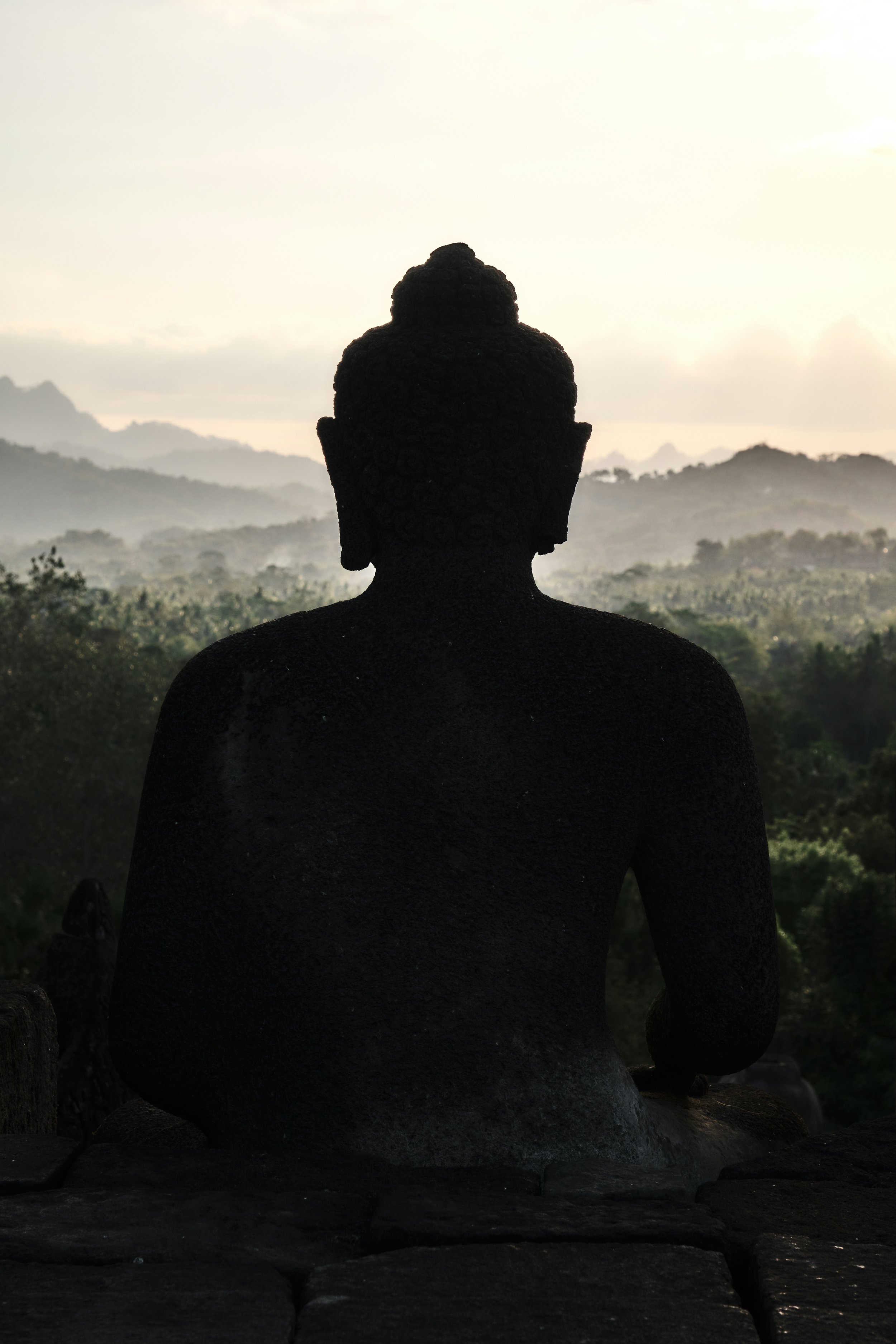
A perfect and personal translation
Dhammapada
“The gift of the Dhamma surpasses all gifts”
[From chief translator: Our Dhammapada translation at Dhammapada.com is dedicated to Thomas Cleary. Dr. Cleary and I shared a friendship for almost 20 years before he passed away. He even kindly wrote the Preface to my earlier book. I miss him a lot. — Thank you for your kindness and support. This one's for you. Rest in peace, my friend.]
Dhammapada.com’s new and original translation of the Dhammapada is unparalleled in accuracy and clarity. Each verse has been carefully translated to preserve the original Pali text while making each verse understandable to contemporary readers but without sacrificing accuracy, which is our top priority. As such, you may notice there are differences in past translations of Dhammapada to our new translation. That's because we don't copy other translations but rather render each Pali word from scratch. We believe our new translation is more accurate yet clear and personal to make Buddha's words relevant and applicable to your life. So savor each verse below -- 423 verses in total -- and let the Buddha's own words transform your path and life. Dhammapada.com is like the Buddha sitting next to you providing you personal guidance.
Verse 1
manopubbaṅgamā dhammā manoseṭṭā manomayā manasā ce paduṭṭhena bhāsati vā karoti vā tato naṃ dukkhamanveti cakkaṃ’va vahato padaṃ
All things start in the mind, and are led and created by the mind. If you speak or act with a corrupt mind, then dissatisfaction follows you, like a wheel follows a pulling ox's foot.
Verse 2
manopubbaṅgamā dhammā manoseṭṭā manomayā manasā ce pasannena bhāsati vā karoti vā tato naṃ sukhamanveti chāyā’va anapāyinī
All things start in the mind, and are led and created by the mind. If you speak or act with a serene mind, then satisfaction follows you, like a shadow that never goes away.
Verse 3
akkocchi maṃ, avadhi maṃ ajini maṃ ahāsi me ye taṃ upanayhantī veraṃ tesaṃ na sammati
"They insulted me. They hit me. They defeated me. They cheated me." If you internalize these thoughts, your resentment cannot end.
Verse 4
akkocchi maṃ avadhi maṃ ajini maṃ ahāsi me ye taṃ na upanayhanti veraṃ tesūpasammati
"They insulted me. They hit me. They defeated me. They cheated me." If you do not internalize these thoughts, your resentment ends.
Verse 5
na hi verena verāni sammantīdha kudācanaṃ averena ca sammanti esa dhammo sanantano
Indeed, your resentment does not ever end with more resentment here. It ends with forgiveness. This is an immutable truth.
Verse 6
pare ca na vijānanti mayamettha yamāmase ye ca tattha vijānanti tato sammanti medhagā
People do not realize that they all face death here. But if you realize that, you are wise, then you end your disputes.
Verse 7
subhānupassiṃ viharantaṃ indriyesu asaṃvutaṃ bhojanambhi amattaññuṃ kusītaṃ hīnavīriyaṃ taṃ ve pasahati māro vāto rukkhaṃ'va dubbalaṃ
When you focus on appealing objects, your senses uncontrolled, your eating in excess, lazy and lacking in effort, you indeed will be overwhelmed by Mara, like the wind against a weak tree.
Verse 8
asubhānupassiṃ viharantaṃ indriyesu susaṃvutaṃ bhojanambhi ca mattaññuṃ saddhaṃ āraddhavīriyaṃ taṃ ve nappasahati māro vāto selaṃ'va pabbataṃ
When you focus on unappealing objects, your senses controlled, your eating in moderation, steadfast and full of effort, you indeed will not be overwhelmed by Mara, like the wind against a rocky mountain.
Verse 9
anikkasāvo kāsāvaṃ yo vatthaṃ paridahessati apeto damasaccena na so kāsāvamarahati
If you are impure and wear the yellow robe without self-control and truth, you are not worthy of the yellow robe.
Verse 10
yo ca vantakasāvassa sīlesu susamāhito upeto damasaccena sa ve kāsāvamarahati
And if you are pure spiritually, firm in moral principles, endowed with self-control and truth, you indeed are worthy of the yellow robe.
Verse 11
asāre sāramatino sāre cāsāradassino te sāraṃ nādhigacchanti micchāsaṃkappagocarā
When you perceive substance where there is trifle, and trifle where there is substance, you cannot find the substantial, having been immersed in wrong aims.
Verse 12
sārañca sārato ñatvā asārañca asārato te sāraṃ adhigacchanti sammāsaṃkappagocarā
When you know substance where there is substance, and trifle where there is trifle, you find the substantial, having been immersed in correct aims.
Verse 13
yathā'gāraṃ ducchannaṃ vuṭṭhi samativijjhati evaṃ abhāvitaṃ cittaṃ rāgo samativijjhati
Like how rain can fully infiltrate a poorly-roofed house, your passion can fully infiltrate your unrefined mind.
Verse 14
yathāgāraṃ succhannaṃ vuṭṭhi na samativijjhati evaṃ subhāvitaṃ cittaṃ rāgo na samativijjhati
Like how rain cannot fully infiltrate a well-roofed house, your passion cannot fully infiltrate your refined mind.
Verse 15
idha socati pecca socati pāpakārī ubhayattha socati so socati so vihaññati disvā kamma kiliṭṭham attano
Here, you are miserable. Hereafter, you are miserable. When you do evil deeds, you are miserable in both places. You are miserable and tortured, seeing your own corrupt actions.
Verse 16
idha modati pecca modati katapuñño ubhayattha modati so modati so pamodati disvā kamma visuddhim attano
Here, you are happy. Hereafter, you are happy. When you do good deeds, you are happy in both places. You are happy and overjoyed, seeing your own pure actions.
Verse 17
idha tappati pecca tappati pāpakārī ubhayattha tappati pāpaṃ me katanti tappati bhiyyo tappati duggatiṃ gato
Here, you suffer. Hereafter, you suffer. When you do evil, you suffer in both places. You suffer thinking, "I did evil," and you suffer even more having reached a bad fate.
Verse 18
idha nandati pecca nandati pāpakārī ubhayattha nandati pāpaṃ me katanti nandati bhiyyo nandati suggatiṃ gato
Here, you delight. Hereafter, you delight. When you do good, you delight in both places. You delight thinking, "I did good," and you delight even more having reached a good fate.
Verse 19
bahumpi ce sahitaṃ bhāsamāno na takkaro hoti naro pamatto gopo'va gāvo gaṇayaṃ paresaṃ na bhāgavā sāmaññassa hoti
Even if you can recite many sacred texts but do not act on them -- becoming a careless person -- this is like a cowherd counting the cows of others. You cannot experience the life of the holy.
Verse 20
appampi ce sahitaṃ bhāsamāno dhammassa hoti anudhammacārī rāgañca dosañca pahāya mohaṃ sammappajāno suvimuttacitto anupādiyāno idha vā huraṃ vā sa bhāgavā sāmaññassa hoti
Even if you can recite few sacred texts but act according to the Dhamma -- rejecting greed, anger, and ignorance -- having correct knowledge with a well-liberated mind, not attached to here or hereafter. You can experience the life of the holy.
Verse 21
appamādo amatapadaṃ pamādo maccuno padaṃ appamattā na mīyanti ye pamattā yathā matā
Alertness is the path to immortality. Carelessness is the path to death. If you are alert, you do not die. If you are careless, you are like the dead.
Verse 22
etaṃ visesato ñatvā appamādamhi paṇḍitā appamāde pamodanti ariyānaṃ gocare ratā
Therefore, with deep knowledge and wisdom, you are overjoyed in alertness. You are pleased to be among the enlightened ones.
Verse 23
te jhāyino sātatikā niccaṃ daḷhaparakkamā phusanti dhīrā nibbāṇaṃ yogakkhemaṃ anuttaraṃ
When you contemplate consistently and always with dedicated effort, you are wise to realize Nibbana, the ultimate freedom from bondage.
Verse 24
uṭṭhānavato satimato sucikammassa nisammakārino saññatassa ca dhammajīvino appamattassa yaso'bhivaḍḍhati
When you are diligent, mindful, acting purely and independently, self-disciplined, living according to the Dhamma, and alert, your honor increases indeed.
Verse 25
uṭṭhānen'appamādena saññamena damena ca dīpaṃ kayirātha medhāvī yaṃ ogho nābhikīrati
Diligent, alert, self-disciplined, and self-controlled, you are wise to make an island that no flood can engulf.
Verse 26
pamādamanuyuñjanti bālā dummedhino janā appamādañca medhāvi dhanaṃ seṭṭhaṃ'va rakkhati
Immature and senseless people engage in carelessness. Being wise, you guard your alertness as your top treasure.
Verse 27
mā pamādamanuyuñjetha mā kāmarati santhavaṃ appamatto hi jhāyanto pappoti vipulaṃ sukhaṃ
Do not engage in carelessness or be attached to sensual pleasures. In contemplation, you are alert indeed, achieving great satisfaction.
Verse 28
pamādaṃ appamādena yadā nudati paṇḍito paññāpāsādamāruyha asoko sokiniṃ pajaṃ pabbataṭṭho'va bhummaṭṭhe dhīro bāle avekkhati
Being wise, you displace carelessness with alertness when ascending to the tower of wisdom, far from misery. Being wise, you stand like you are on a mountain observing the miserable and immature people standing on the ground.
Verse 29
appamatto pamattesu suttesu bahujāgaro abalassaṃ'va sīghasso hitvā yāti sumedhaso
Alert among the careless and wide awake among the sleeping, you are wise to advance like a nimble horse, leaving behind the feeble ones.
Verse 30
appamādena maghavā devānaṃ seṭṭhataṃ gato appamādaṃ pasaṃsanti pamādo garahito sadā
Through alertness, Maghavan (Indra) reached the top of the gods. Your alertness is praised; your carelessness is always criticized.
Verse 31
appamādarato bhikkhu pamāde bhaya dassivā saṃyojanaṃ aṇuṃ thūlaṃ ḍahaṃ aggīva gacchati
Alertness is pleasurable to you as a practitioner who is fearful of carelessness. You move like fire, burning off your fetters, small or large in the same way.
Verse 32
appamādarato bhikkhu pamāde bhaya dassivā abhabbo parihāṇāya nibbāṇasseva santike
Alertness is pleasurable to you as a practitioner who is fearful of carelessness. You are unable to backslide; Nibbana is just within reach.
Verse 33
phandanaṃ capalaṃ cittaṃ durakkhaṃ dunnivārayaṃ ujuṃ karoti medhāvī usukāro'va tejanaṃ
Wavering and unsteady, the mind is difficult to guard and difficult to hold back. You are wise to straighten your mind, like a fletcher straightens an arrow.
Verse 34
vārijo'va thale khitto okamokata ubbhato pariphandatidaṃ cittaṃ māradheyyaṃ pahātave
Like a fish on dry ground, thrown out of its home, your mind wavers all around in order to flee the ground of Mara.
Verse 35
dunniggahassa lahuno yatthakāmanipātino cittassa damatho sādhu cittaṃ dantaṃ sukhāvahaṃ
Difficult to hold down, fickle, and wherever the senses stumble upon, your mind must be well-controlled. Your controlled mind brings satisfaction.
Verse 36
sududdasaṃ sunipunaṃ yatthakāmanipātinaṃ cittaṃ rakkhetha medhāvī cittaṃ guttaṃ sukhāvahaṃ
Very difficult to see, very subtle, and wherever the senses stumble upon, your mind must be guarded. You are wise to protect your mind, which brings satisfaction.
Verse 37
dūraṅgamaṃ ekacaraṃ asarīraṃ kuhāsayaṃ ye cittaṃ saññamessanti mokkhanti mārabandhanā
Going far off, wandering by itself, being formless, and lying hidden, your mind fully-controlled will be free from the shackles of Mara.
Verse 38
anavaṭṭhitacittassa saddhammaṃ avijānato paripalavapasādassa paññā na paripūrati
With an unsettled mind, you cannot clearly understand the true Dhamma. With faltering confidence, you cannot perfect your wisdom all around.
Verse 39
anavassutacittassa ananavāhatacetaso puññapāpapahīṇassa natthi jāgarato bhayaṃ
With a mind that does not flow with desire and a mind that does not get carried away, you relinquish good and evil. When awake, you are not fearful.
Verse 40
kumbhūpamaṃ kāyamimaṃ viditvā nagarūpamaṃ cittamidaṃ ṭhapetvā yodhetha māraṃ paññāyudhena jitañca rakkhe anivesano siyā
Knowing that your body is like a fragile clay pot, you fortify your mind like a citadel. Fight Mara with your weapon of wisdom, guarding what you conquered but let there be no attachment.
Verse 41
aciraṃ vatayaṃ kāyo paṭhaviṃ adhisessati chuddho apetaviññāṇo niratthaṃ'va kaliṅgaraṃ
Soon indeed your body will lie upon this earth -- cast aside, lifeless, useless -- like a log.
Verse 42
diso disaṃ yantaṃ kayirā verī vā pana verinaṃ micchāpaṇihitaṃ cittaṃ pāpiyo naṃ tato kare
Whatever an enemy could do to another enemy or a hater to another hater, they could not do to you worse than what your wrongly-directed mind could do to you.
Verse 43
na taṃ mātā pitā kayirā aññe vā pi ca ñātakā sammāpaṇihitaṃ cittaṃ seyyaso naṃ tato kare
Neither mother, father, nor any other relative could do better for you than what your correctly-directed mind could do for you.
Verse 44
ko imaṃ pathaviṃ vicessati yamalokaṃ ca imaṃ sadevakaṃ ko dhammapadaṃ sudesitaṃ kusalo puppham iva pacessati
Who will fully understand this earth, the realm of hell, and the realm of heaven? Who will pick a well-explained Dhammapada, like an experienced person picks a flower.
Verse 45
sekho pathaviṃ vicessati yamalokaṃ ca imaṃ sadevakaṃ sekho dhammapadaṃ sudesitaṃ kusalo puppham iva pacessati
As a learner, you will fully understand this earth, the realm of hell, and the realm of heaven. As a learner, you will pick a well-explained Dhammapada, like an experienced person picks a flower.
Verse 46
pheṇūpamaṃ kāyam'imaṃ viditvā marīcidhammaṃ abhisambudhāno chetvāna mārassa papupphakāni adassanaṃ maccurājassa gacche
Knowing this body is like a bubble, you are fully awake to its mirage. Cutting away Mara's flowers, you move to where the king of death cannot see you.
Verse 47
pupphāni heva pacinantaṃ byāsattamanasaṃ naraṃ suttaṃ gāmaṃ mahogho'va maccu ādāya gacchati
If you are preoccupied with only picking flowers, death moves in, like a sleeping village is inundated by a great flood.
Verse 48
pupphāni heva pacinantaṃ byāsattamanasaṃ naraṃ atittaṃ yeva kāmesu antako kurute vasaṃ
If you are preoccupied with only picking flowers, discontented with only sensual pleasures, Death acts to enslave you.
Verse 49
yathāpi bhamaro pupphaṃ vaṇṇagandhaṃ aheṭhayaṃ paḷeti rasamādāya evaṃ gāme munī care
Just like a bee departs with nectar without harming even a flower's color or fragrance, therefore as a sage you may wander through a village.
Verse 50
na paresaṃ vilomāni na paresaṃ katākataṃ attano'va avekkheyya katāni akatāni ca
Not others' faults, not what others have done or have not done. Only observe your own self, what you have done or have not done.
Verse 51
yathāpi ruciraṃ pupphaṃ vaṇṇavantaṃ agandhakaṃ evaṃ subhāsitā vācā aphalā hoti akubbato
Just like a beautiful flower is colorful but without fragrance, therefore your well-spoken words become unproductive without action.
Verse 52
yathāpi ruciraṃ pupphaṃ vaṇṇavantaṃ sagandhakaṃ evaṃ subhāsitā vācā saphalā hoti pakubbato
Just like a beautiful flower is colorful and with fragrance, therefore your well-spoken words become productive with action.
Verse 53
yathāpi ppupharāsimhā kayirā mālākuṇe bahū evaṃ jātena maccena kattabbaṃ kusalaṃ bahuṃ
Just like from a pile of flowers you can do many strands of garland, therefore from being born a mortal, you can do much good.
Verse 54
na pupphagandho paṭivātameti na candanaṃ tagaramallikā vā satañca gandho paṭivātameti sabbā disā sappuriso pavāti
Neither the fragrance of flowers goes against the wind, nor sandalwood, tagara, jasmine. But the fragrance of good people goes against the wind. As a good person, you pervade in all directions.
Verse 55
candanaṃ tagaraṃ vā'pi uppalaṃ atha vassikī etesaṃ gandhajātānaṃ sīlagandho anuttaro
Sandalwood, tagara, or even lotus and jasmine -- of these kinds of fragrances, the fragrance of your virtue is the ultimate.
Verse 56
appamatto ayaṃ gandho yāyaṃ tagaracandanī yo ca sīlavataṃ gandho vāti devesu uttamo
Negligible is this fragrance, such as tagara and sandalwood. The supreme fragrance of your virtue wafts among the gods.
Verse 57
tesaṃ sampannasīlānaṃ appamādavihārinaṃ sammadaññā vimuttānaṃ māro maggaṃ na vindati
You are endowed with virtue, living in alertness, and liberated by correct knowledge. Mara cannot find your path.
Verses 58 + 59
yathā saṅkāradhānasmiṃ ujjhitasmiṃ mahāpathe padumaṃ tattha jāyetha sucigandhaṃ manoramaṃ evaṃ saṅkārabhūtesu andhabhūte puthujjane atirocati paññāya sammāsambuddhasāvako
Just like among the trash pile thrown on the great road, a lotus emerges there, pure in fragrance and pleasing to the mind, therefore, among the trashy individuals, blind individuals, and common people, you shine immensely with wisdom as a student of the Buddha.
Verse 60
dīghā jāgarato ratti dīghaṃ santassa yojanaṃ dīgho bālānaṃ saṃsāro saddhamma avijānataṃ
Long is the night when you are awake; long is a league when you are tired; long is the cycle of rebirths when you are immature, not clearly understanding the true Dhamma.
Verse 61
caraṃ ce nādhigaccheyya seyyaṃ sadisam attano ekacariyaṃ daḷhaṃ kayirā natthi bāle sahāyatā
If in wandering you do not find someone better than or equal to yourself, you could steadfastly wander by yourself. There is no friendship with the immature.
Verse 62
puttā matthi dhanaṃ matthi iti bālo vihaññati attā hi attano natthi kuto puttā kuto dhanaṃ
"I have sons and I have treasures," thus the immature are tortured. Indeed, no self is your own, how much less sons and how much less treasures.
Verse 63
yo bālo maññati bālyaṃ paṇḍito vāpi tena so bālo ca paṇḍitamānī sa ve bālo ti vuccati
If you are immature and know your immaturity, even you are thereby wise. If you are immature but are proud of your wisdom, indeed you are thus called immature.
Verse 64
yāvajīvam pi ce bālo paṇḍitaṃ payirupāsati na so dhammaṃ vijānāti dabbī sūparasaṃ yathā
You can associate with a wise person for even a lifetime, but if you are immature and cannot clearly understand the Dhamma, you are like a spoon that cannot taste soup.
Verse 65
muhuttam api ce viññū paṇḍitaṃ payirupāsati khippaṃ dhammaṃ vijānāti jivhā sūparasaṃ yathā
You can associate with a wise person for even a second, but if you are discerning and can quickly and clearly understand the Dhamma, you are like a tongue that can taste soup.
Verse 66
caranti bālā dummedhāv amitteneva attanā karontā pāpakaṃ kammaṃ yaṃ hoti kaṭukapphalaṃ
If you, immature and senseless, wander as your own enemy, you do an evil act that becomes bitter fruit.
Verse 67
na taṃ kammaṃ kataṃ sādhu yaṃ katvā anutappati yassa assumukho rodaṃ vipākaṃ paṭisevati
Your act is not well done if you regret having done it. Crying with a tearful face is what you experience as a consequence.
Verse 68
taṃ ca kammaṃ kataṃ sādhu yaṃ katvā nānutappati yassa patīto sumano vipākaṃ paṭisevati
Your act is well done if you do not regret having done it. Delight and joy are what you experience as a consequence.
Verse 69
madhuṃ va maññati bālo yāva pāpaṃ na paccati yadā ca paccati pāpaṃ atha dukkhaṃ nigacchati
If immature, you think evil is like honey as long as it has not fully developed. When evil is fully developed, you taste dissatisfaction.
Verse 70
māse māse kusaggena bālo bhuñjeyya bhojanaṃ na so saṅkhātadhammānaṃ kalaṃ agghati soḷasiṃ
If immature, you can eat food with a blade tip of kusa grass month after month, but this is not worth a sixteenth fraction of you understanding the Dhamma.
Verse 71
na hi pāpaṃ kataṃ kammaṃ sajju khīraṃ va muccati ḍahaṃ taṃ bālam anveti bhasmacchanno va pāvako
Indeed an evil act done does not turn immediately like fresh milk. If you are immature, it burns and follows you like fire hidden under ash.
Verse 72
yāvad eva anatthāya ñattaṃ bālassa jāyati hanti bālassa sukkaṃsaṃ muddham assa vipātayaṃ
As long as you are immature, emerging knowledge only harms you. Immaturity destroys your fortune, decimating your wisdom.
Verse 73
asantaṃ bhāvanaṃ iccheyya purekkhāraṃ ca bhikkhusu āvāsesu ca issariyaṃ pūjaṃ parakulesu ca
You have false honors when you desire superiority among the practitioners, authority in the monasteries, and offerings from lay households.
Verse 74
mameva kataṃ maññantū gihī pabbajitā ubho mameva ativasā assu kiccākiccesu kismici iti bālassa saṃkappo icchā māno ca vaḍḍhati
"Let both lay households and monks think that only I done this, and may they obey only me in any task and matter great or small." Thus is your intention if immature, your desire and pride increased.
Verse 75
aññā hi lābhūpanisā aññā nibbānagāminī evam etaṃ abhiññāya bhikkhu buddhassa sāvako sakkāraṃ nābhinandeyya vivekam anubrūhaye
One indeed is the means to gain, another leads to Nibbana. Therefore, fully understanding this as a practitioner and student of the Buddha, you do not delight in honors but practice in solitude.
Verse 76
nidhīnaṃ va pavattāraṃ yaṃ passe vajjadassinaṃ niggayhavādiṃ medhāviṃ tādisaṃ paṇḍitaṃ bhaje tādisaṃ bhajamānassa seyyo hoti na pāpiyo
A wise person who sees, reveals, and points out your faults and gently corrects you is like a treasure. You would associate with this kind of wise person. You associate with this kind of person because you will become better, not worse.
Verse 77
ovadeyyānusāseyya asabbhā ca nivāraye sataṃ hi so piyo hoti asataṃ hoti appiyo
You counsel and teach. You hold back what is unrefined. Indeed you become beloved by the good, and become disliked by the bad.
Verse 78
na bhaje pāpake mitte na bhaje purisādhame bhajetha mitte kalyāṇe bhajetha purisuttame
You do not associate with evil friends. You do not associate with the worst people. You associate with virtuous friends. You associate with the best people.
Verse 79
dhammapīti sukhaṃ seti vippasannena cetasā ariyappavedite dhamme sadā ramati paṇḍito
You find joy and satisfaction in the Dhamma, sleeping with a completely calm heart and mind. You are wise to always take pleasure in the Dhamma taught by the enlightened ones.
Verse 80
udakaṃ hi nayanti nettikā usukārā namayanti tejanaṃ dāruṃ namayanti tacchakā attānaṃ damayanti paṇḍitā
Indeed, irrigators guide water; fletchers shape arrows; carpenters shape wood. You are wise to control yourself.
Verse 81
selo yathā ekaghano vātena na samīrati evaṃ nindāpasaṃsāsu na samiñjanti paṇḍitā
Like a solid rock is not moved by the wind, therefore you are wise to not be shaken by blame or praise.
Verse 82
yathā pi rahado gambhīro vippasanno anāvilo evaṃ dhammāni sutvāna vippasīdanti paṇḍitā
Like even a deep lake is completely calm and undisturbed, therefore you are wise to be completely calm having heard the Dhamma.
Verse 83
sabbattha ve sappurisā cajanti na kāmakāmā lapayanti santo sukhena phuṭṭhā atha vā dukhena noccāvacaṃ paṇḍitā dassayanti
As a good person, you indeed let go everywhere. You are good to not chatter about sensual pleasures, not affected by satisfaction and dissatisfaction. You are wise to not show your highs and lows.
Verse 84
na attahetu na parassa hetu na puttamicche na dhanaṃ na raṭṭhaṃ na iccheyya adhammena samiddhimattano sa sīlavā paññavā dhammiko siyā
Not for your own sake and not for another's sake, you do not desire sons, treasures, kingdoms. You do not desire your own prosperity through non-Dhammic means. Let there be virtue, insight, Dhamma.
Verse 85
appakā te manussesu ye janā pāragāmino athāyaṃ itarā pajā tīramevānudhāvati
Few of you are among the humans who reach the shore beyond. And these other people only run along this shore.
Verse 86
ye ca kho sammadakkhāte dhamme dhammānuvattino te janā pāramessanti maccudheyyaṃ suduttaraṃ
If you are indeed taught correctly the Dhamma and following the Dhamma, you will reach the shore beyond the domain of death, which is very difficult to cross.
Verse 87
kaṇhaṃ dhammaṃ vippahāya sukkaṃ bhāvetha paṇḍito okā anokaṃ āgamma viveke yattha dūramaṃ
You are wise to completely reject corrupt teachings. Cultivate satisfaction. From home to homelessness, you resort to solitude where pleasure is difficult to find.
Verse 88
tatrābhiratim iccheyya hitvā kāme akiñcano pariyodapeyya attānaṃ, cittaklesehi paṇḍito
There [in solitude] you delight in leaving behind sensual desires, owning nothing. You are wise to completely purify your own mind's impurities.
Verse 89
yesaṃ sambodhiaṅgesu sammā cittaṃ subhāvitaṃ ādānapaṭinissagge anupādāya ye ratā khīṇāsavā jutimanto te loke parinibbutā
The basis of your full enlightenment is a well-cultivated mind. You are pleased letting go of clinging and without attachments. Eliminating flaws and realizing Nibbana, you shine in this world.
Verse 90
gataddhino visokassa vippamuttassa sabbadhi sabbaganthappahīṇassa pariḷāho na vijjati
You have reached your destination, without sorrow, and completely liberated in all respects. Leaving behind all fetters, your affliction no longer exists.
Verse 91
uyyuñjanti satīmanto, na nikete ramanti te haṃsā va pallalaṃ hitvā okamokaṃ jahanti te
Mindful, you strive and not take pleasure at home. Like swans that leave lakes behind, leaving home after home.
Verse 92
yesaṃ sannicayo natthi ye pariññātabhojanā yassa suññato animitto ca vimokkho ca gocaro ākāse iva sakuntānaṃ gati tesṃ durannayā
You do not hoard; you fully understand your eating. There are emptiness and no markers when you are among the liberated. Like a bird in the sky, your path is difficult to follow.
Verse 93
yassāsavā parikkhīṇā āhāre ca anissito suññato animitto ca vimokkho yassa gocaro ākāse va sakuntānaṃ padaṃ tassa durannayaṃ
Your flaws are fully eliminated; you are not attached to food. There are emptiness and no markers when you are among the liberated. Like a bird in the sky, your footprints are difficult to follow.
Verse 94
yass'indriyāni samathaṃ gatāni assā yathā sārathinā sudantā pahīṇamānassa anāsavassa devā'pi tassa pihayanti tādino
Your senses have reached calmness, like horses well-controlled by the charioteer. You relinquished pride and have no flaws. Even the gods envy you.
Verse 95
paṭhavisamo no virujjhati indakhīlūpamo tādi subbato rahadova apetakaddamo saṃsārā na bhavanti tādino
You are like the earth that is not offended. Like Indra's pillar, your kind is well-restrained. You are like a lake that mud had departed. The cycle of rebirths does not exist for your kind.
Verse 96
santaṃ tassa manaṃ hoti santā vācā ca kamma ca sammadaññā vimuttassa upasantassa tādino
Your mind becomes calm. Calm are your words and actions. Liberated by correct knowledge, your kind is completely calm.
Verse 97
asaddho akatabbu ca sandhicchedo ca yo naro hatavakaso vantaso sa ve uttamaporiso
You are indeed supreme if you do not have [blind] faith, know the unmade (Nibbana), broke the connection [from one existence to the next], destroyed the possibility [of rebirth], and cast out desires.
Verse 98
gāme vā yadi vā'raññe ninne vā yadi vā thale yatthārahanto viharanti taṃ bhūviṃ rāmaṇeyyakaṃ
Whether in a village, forest, valley, or hill, if you are enlightened, that ground where you live is pleasing.
Verse 99
ramaṇīyāni araññāni yattha na ramatī jano vītarāgā ramissanti na te kāmagavesino
Pleasing are forests, where people do not find pleasure. Without passion, you will find pleasure, but not those who seek sensual pleasure.
Verse 100
sahassampi ce vācā anatthapadasaṃhitā ekaṃ atthapadaṃ seyyo yaṃ sutvā upasammati
Even if there are one thousand words though composed of useless words, one beneficial word is better, which if you heard would bring peace.
Verse 101
sahassampi ce gāthā antthapadasaṃhitā ekaṃ gāthāpadaṃ seyyā yaṃ sutvā upasammati
Even if there are one thousand verses though composed of useless verses, one beneficial verse is better, which if you heard would bring peace.
Verse 102
yo ca gāthāsataṃ bhāse anatthapadasaṃhitā ekaṃ dhammapadaṃ seyyo yaṃ sutvā upasammati
And who recites one hundred verses though composed of useless verses, one word of the Dhamma is better, which if you heard would bring peace.
Verse 103
yo sahassena sahassena saṅgāme manuse jine ekañca jeyyattānaṃ sa ve saṅgāmajuttamo
Who conquers a thousand thousand people in battle, yet if you conquer one -- yourself -- you are indeed the supreme victor in battle.
Verse 104
attā have jitaṃ seyyo yā cāyaṃ itarā pajā attadantassa posassa niccaṃ saññatacārino
Indeed it is better for you to conquer yourself than other people. Self-controlled, you are a person whose conduct is always disciplined.
Verse 105
n'eva devo na gandhabbo na māro saha brahmunā jitaṃ apajitaṃ kayirā tathārūpassa jantuno
Not even a god, not a celestial being, not Mara together with Brahma could turn your kind of personal victory into defeat.
Verse 106
māse māse sahassena yo yajetha sataṃ samaṃ ekañca bhāvitattānaṃ muhuttampi pūjaye sā yeva pūjanā seyyā yañce vassasataṃ hutaṃ
Month after month, you can offer one thousand sacrifices for one hundred years, yet when you cultivate yourself for even one second it is honorable. That indeed is better and more honorable than one hundred years of offerings.
Verse 107
yo ca vassasataṃ jantu aggiṃ paricare vane ekañca bhāvitattānaṃ muhuttampi pūjaye sā yeva pūjanā seyyā yañce vassasataṃ hutaṃ
And you can take care of a sacred fire in the forest for one hundred years, yet when you cultivate yourself for even one second it is honorable. That indeed is better and more honorable than one hundred years of offerings.
Verse 108
yaṃ kiñci yiṭṭhaṃ va hutaṃ va loke saṃvaccharaṃ yajetha puññapekkho sabbam'pi taṃ na catubhāgameti abhivādanā ujjugatesu seyyā
Whatever sacrifice or offering in the world that you as a seeker of good would make for a full year, even all that is neither better than nor equal to a quarter of one respectful greeting toward those who are upright.
Verse 109
abhivādanasīlissa niccaṃ vaddhāpacāyino cattārā dhammā vaḍḍhanti āyu vaṇṇo sukhaṃ balaṃ
With the habit of respectful greetings, if you always honor the elders, four qualities increase for you: longevity, attractiveness, satisfaction, strength.
Verse 110
yo ca vassasataṃ jīve dussīlo asamāhito ekāhaṃ jīvitaṃ seyyo sīlavantassa jhāyino
Even if you live one hundred years yet without virtue and firmness, it is better you live one day with virtue and contemplation.
Verse 111
yo ca vassasataṃ jīve duppañño asamāhito ekāhaṃ jīvitaṃ seyyo paññavantassa jhāyino
Even if you live one hundred years yet without insight and firmness, it is better you live one day with insight and contemplation.
Verse 112
yo ca vassasataṃ jīve kusīto hīnavīriyo ekāhaṃ jīvitaṃ seyyo viriyamā rabhato daḷhaṃ
Even if you live one hundred years yet are lazy and lacking effort, it is better you live one day steadfastly exerting effort.
Verse 113
yo ca vassasataṃ jīve apassaṃ udayavyayaṃ ekā'haṃ jīvitaṃ seyyo passato udayavyayaṃ
Even if you live one hundred years yet cannot see the rise and fall [impermanence], it is better you live one day to see the rise and fall.
Verse 114
yo ca vassasataṃ jīve apassaṃ amataṃ padaṃ ekā'haṃ jīvitaṃ seyyo passato amataṃ padaṃ
Even if you live one hundred years yet cannot see immortality, it is better you live one day to see immortality.
Verse 115
yo ca vassasataṃ jīve apassaṃ dhammam uttamaṃ ekā'haṃ jīvitaṃ seyyo passato dhammam uttamaṃ
Even if you live one hundred years yet cannot see the supreme Dhamma, it is better you live one day to see the supreme Dhamma.
Verse 116
abhitvaretha kalyāṇe pāpā cittaṃ nivāraye dandhaṃ hi karoto puññaṃ pāpasmiṃ ramatī mano
If virtuous, you are quick to do good, holding back your mind from evil. Indeed if you are slow to do good, your mind takes pleasure in evil.
Verse 117
pāpaṃ ce puriso kayirā na taṃ kayirā punappunaṃ na tamhi chandaṃ kayirātha dukkho pāpassa uccayo
If you do evil, do not do it repeatedly. Do not desire it because an accumulation of evil leads to dissatisfaction.
Verse 118
puññaṃ ce puriso kayirā kayirāth'etaṃ punappunaṃ tamhi chandaṃ kayirātha sukho puññassa uccayo
If you do good, do it repeatedly. Desire it because an accumulation of good leads to satisfaction.
Verse 119
pāpo'pi passati bhadraṃ yāva pāpaṃ na paccati yadā ca paccati pāpaṃ atha pāpo pāpāni passati
If you do evil, you even see good results as long as that evil has not fully developed. When it fully develops, then you see bad results.
Verse 120
bhadro'pi passati pāpaṃ yāva bhadraṃ na paccati yadā ca paccati bhadraṃ atha bhadro bhadrāni passati
If you do good, you even see bad results as long as that good has not fully developed. When it fully develops, then you see good results.
Verse 121
māppamaññetha pāpassa na maṃ taṃ āgamissati udabindunipātena udakumbho'pi pūrati pūrati bālo pāpassa thokathokampi ācinaṃ
Do not think a little evil will not come to you. Even water drops falling will fill a clay water pot. If immature, you will be filled with evil when added up little by little.
Verse 122
māppamaññetha puññassa na maṃ taṃ āgamissati udabindunipātena udakumbho'pi pūrati pūrati dhīro puññassa thokathokampi ācinaṃ
Do not think a little good will not come to you. Even water drops falling will fill a clay water pot. If wise, you will be filled with good when added up little by little.
Verse 123
vāṇijo'va bhayaṃ maggaṃ appasattho mahaddhano visaṃ jīvitukāmo'va pāpāni parivajjaye
Like a merchant of great wealth in a little caravan on a fearful path, you avoid evil like poison if you love life.
Verse 124
pāṇimhi ce vaṇo nā'ssa hareyya pāṇinā visaṃ nābbaṇaṃ visamanveti natthi pāpaṃ akubbato
If there is no wound in your hand, you can carry poison in your hand. Poison cannot follow the unwounded; there is no evil if you do not act on it.
Verse 125
yo appaduṭṭhassa narassa dussati suddhassa posassa anaṅgaṇassa tameva bālaṃ pacceti pāpaṃ sukhumo rajo paṭivātaṃ'va khitto
If immature and you do harm to a harmless person who is pure and without fault, that very evil returns to you. It is like fine dust thrown against the wind.
Verse 126
gabbham eke papajjanti nirayaṃ pāpakammino saggaṃ sugatino yanti parinibbanti anāsavā
Some of you are reborn in the womb, evil doers in hell. Good doers go to heaven, the flawless to Nibbana.
Verse 127
na antalikkhe na samuddamajajhe na pabbatānaṃ vivaraṃ pavissa na vijjatī so jagatippadeso yatthaṭthito mucceyya pāpakammā
Neither in the open sky nor in the middle of the ocean, nor having entered a cave in the mountain does there exist a place in the world where you can stand free from evil actions.
Verse 128
na antalikkhe na samuddamajajhe na pabbatānaṃ vivaraṃ pavissa na vijjati so jagatippadeso yatthaṭthitaṃ nappasahetha maccu
Neither in the open sky nor in the middle of the ocean, nor having entered a cave in the mountain does there exist a place in the world where you can stand and not be overwhelmed by death.
Verse 129
sabbe tasanti daṇaḍassa sabbe bhāyanti maccuno attānaṃ upamaṃ katvā na haneyya na ghātaye
All fear punishment. All are fearful of death. They are like yourself. Do not kill and do not be the cause of killing.
Verse 130
sabbe tasanti daṇaḍassa sabbesaṃ jīvitaṃ piyaṃ attānaṃ upamaṃ katvā na haneyya na ghātaye
All fear punishment. All love life. They are like yourself. Do not kill and do not be the cause of killing.
Verse 131
sukhakāmāni bhūtāni yo daṇḍena vihiṃsati attano sukhamesāno pecca so na labhate sukhaṃ
If you punish and harm those who desire satisfaction while seeking satisfaction yourself, you will not gain satisfaction in the hereafter.
Verse 132
sukhakāmāni bhūtāni yo daṇḍena na hiṃsati attano sukhamesāno pecca so labhate sukhaṃ
If you do not punish and harm those who desire satisfaction while seeking satisfaction yourself, you will gain satisfaction in the hereafter.
Verse 133
mā'voca pharusaṃ kañci vuttā paṭivadeyyu'taṃ dukkhā hi sārambhakathā paṭidaṇḍā phuseyyu'taṃ
Do not speak harshly to anyone. Those spoken to will talk back to you. Angry talk is dissatisfying indeed. Their counter-punishment will bruise you.
Verse 134
sa ce neresi attānaṃ kaṃso upahato yathā esa patto'si nibbāṇaṃ sārambho te na vijjati
If you calm yourself like a broken gong, you have attained Nibbana. Anger does not exist in you.
Verse 135
yathā daṇḍena gopālo gā pāceti gocaraṃ evaṃ jarā ca maccu ca āyuṃ pācenti pāṇinaṃ
Like a cowherd punishes cows and directs them to the field, therefore decay and death direct the lifespan of yours and other living beings.
Verse 136
atha pāpāni kammāni karaṃ bālo na bujjhati sehi kammehi dummedho aggidaḍḍho'va tappati
And when you are immature, you do not understand you are doing evil actions. By those very senseless actions, you suffer like burning in fire.
Verse 137
yo daṇḍena adaṇḍesu appaduṭṭhesu dussati dasannam aññataraṃ ṭhānaṃ khippameva nigacchati
When you punish those undeserving of punishment and harm those who are not hateful, you will indeed quickly experience one of these ten penalties:
Verse 138
vedanaṃ pharusaṃ jāniṃ sarīrassa ca bhedanaṃ garukaṃ vāpi ābādhaṃ cittakkhepaṃ va pāpuṇe
(1) harsh painful feeling (2) loss of wife (3) breakdown of body (4) severe or crippling disease (5) falling into insanity
Verse 139
rājato vā upassaggaṃ abbhakkhānaṃ va dāruṇaṃ parikkhayaṃ va ñātīnaṃ bhogānaṃ'va pabhaṅguraṃ
(6) persecution from the king (7) cruel slander (8) loss of kin (9) wealth collapse
Verse 140
atha v'āssa agārāni aggi ḍahati pāvako kāyassa bhedā duppañño nirayaṃ so'upapajjati
And (10) fire burns down your houses, and after your death, you fall down into hell.
Verse 141
na naggacariyā na jaṭā na paṅkā nānāsakā thaṇḍilasāyikā vā rājo ca jallaṃ ukkuṭikappadhānaṃ sodhenti maccaṃ avitiṇṇakaṅkhaṃ
Neither naked nor with matted hair nor muddy, fasting, sleeping on the ground, dusty or wet, and in a squatting position could cleanse mortals like you if you do not remove your doubts.
Verse 142
alaṅkato ce'pi samaṃ careyya santo danto niyato brahmacārī sabbesu bhūtesu nidhāya daṇḍaṃ so brāhmaṇo so samaṇo sa bhikkhu
Even if well-dressed, you can conduct yourself with composure. You are calm, controlled, determined, and living a holy life. You have put aside punishment toward all beings. As a practitioner, you are enlightened and contemplative.
Verse 143
hirīnisedho puriso koci lokasmiṃ vijjati yo nindaṃ apabodhati asso bhadro kasāmiva
Are you someone in the world who is restrained by shame, who do not lash back when blamed, like a good horse to the whip.
Verse 144
asso yathā bhadro kasāniviṭiṭho ātāpino saṃvegino bhavātha saddhāya sīlena ca vīriyena ca samādhinā dhammavinicchayena ca sampannavijjācaraṇā patissatā pahassatha dukkhamidaṃ anappakaṃ
Like a good horse struck by the whip, you become energized and have a sense of urgency. With conviction, virtue, effort, and focus, you have clear comprehension of the Dhamma. Endowed with advanced knowledge, impeccable conduct, and self-awareness, you reject immense suffering.
Verse 145
udakaṃ hi nayanti nettikā usukārā namayanti tejanaṃ dāruṃ namayanti tacchakā attānaṃ damayanti subbatā
Indeed, irrigators guide water; fletchers shape arrows; carpenters shape wood. Well-restrained, you control yourself.
Verse 146
ko nu hāso kimānando niccaṃ pajjalite sati andhakārena onaddhā padīpaṃ na gavessatha
Indeed what is this laughter and what is this joy when the world is always burning? When you are covered in darkness, do you not seek the light?
Verse 147
passa cittakataṃ bimbaṃ arukāyaṃ samussitaṃ āturaṃ bahusaṅkappaṃ yassa natthi dhuvaṃ ṭhiti
See your mind-made body form full of sores artificially propped up. Diseased with many intentions, there is neither permanence nor constancy.
Verse 148
parijiṇṇamidaṃ rūpaṃ roganiḍḍhaṃ pabhaṅguraṃ bhijjati pūtisandeho maraṇantaṃ hi jīvitaṃ
Your body is decaying, infested with disease ready to collapse, disintegrating into a rotting corpse. Indeed your life ends in death.
Verse 149
yān'imāni apatthāni alāpūn'eva sārade kāpotakāni aṭṭhīni tāni disvāna kā rati
Like these discarded pumpkins in autumn, what is pleasing when you see grey bones?
Verse 150
aṭṭhīnaṃ nagaraṃ kataṃ maṃsalohitalepanaṃ yattha jarā ca maccu ca māno makkho ca ohito
Your citadel body is made of bones coated with flesh and blood, a storage of decay, death, pride, and hypocrisy.
Verse 151
jīranti ve rāja rathā sucittā atho sarīrampi jaraṃ upeti satañca dhammo na jaraṃ upeti santo have sabbhi pavedayanti
Indeed a beautifully designed royal chariot wears out, and also even your body falls into decay. But the Dhamma of good people does not fall into decay. Indeed the calm ones teach this to all everywhere.
Verse 152
appassutā'yaṃ puriso balivaddo'va jīrati maṃsāni tassa vaḍḍhanti paññā tassa na vaḍḍhati
If you are an uneducated person, you are like a young bull growing up. Its flesh increases but its wisdom does not increase.
Verse 153
anekajāti saṃsāraṃ sandhāvissaṃ anibbisaṃ gahakārakaṃ gavesanto dukkhā jāti punappunaṃ
I raced through my cycle of rebirths -- with its many births -- seeking but not finding the house-builder (attachment). Dissatisfaction is birth repeatedly.
Verse 154
gahakāraka diṭṭho'si puna gehaṃ na kāhasi sabbā te phāsukā bhaggā gahakauṭaṃ visaṅkhitaṃ visaṅkhāragataṃ cittaṃ taṇhānaṃ khayam'ajjhagā
House-builder (attachment), you are found! You will not build the house again. All your columns are broken, the rooftops dismantled. My mind is free of fabrications and the end of attachments has been accomplished.
Verse 155
acaritvā brahmacariyaṃ aladdhā yobbane dhanaṃ jiṇṇakoñc'āva jhāyanti khīṇamacche'va pallale
Not having lived a holy life, you have not gained treasure in your youth. You are like an old heron contemplating in a puddle without fish.
Verse 156
acaritvā brahmacariyaṃ aladdhā yobbane dhanaṃ senti cāpātikhīṇ'āva purāṇāni anutthunaṃ
Not having lived a holy life, you have not gained treasure in your youth. You slump down lamenting about the past like a spent longbow.
Verse 157
attānaṃ ce piyaṃ jaññā rakkheyya naṃ surakkhitaṃ tiṇṇam aññataraṃ yāmaṃ paṭijaggeyya paṇḍito
If you know yourself to be beloved, you must guard yourself well. You are wise to stay awake in any of the three watches (stages) of life.
Verse 158
attānam'eva paṭhamaṃ patirūpe nivesaye athaññam'anusāseyya na kilisseyya paṇḍito
First, you must establish yourself in what is proper. Then, you can teach others. You are wise to not be corrupt.
Verse 159
attānañce tathā kayirā yathaññamanusāsati sudanto vata dammetha attā hi kira duddamo
Do for yourself like you teach others. Well-controlled indeed, you control [yourself]. It is indeed difficult to control yourself.
Verse 160
attā hi attano nātho kohi nātho paro siyā attan'āva sudantena nāthaṃ labhati dullabhaṃ
You are indeed refuge to yourself. Is there another who indeed could be your refuge? Well controlled, only you can gain refuge for yourself which is difficult to obtain.
Verse 161
attan'āva kataṃ pāpaṃ attajaṃ attasambhavaṃ abhimatthati dummedhaṃ vajiraṃ v'asmamayaṃ maṇiṃ
Evil is done only by yourself, which was self-produced and self-cultivated. It crushes the senseless like a diamond to a gemstone.
Verse 162
yassa accantadussīlyaṃ māluvā sālamiv'otataṃ karoti so tath'attānaṃ yathā naṃ icchatī diso
You whose lack of virtue is like the creeper plant enveloping a sacred sal tree, you do to yourself like what your enemy desires.
Verse 163
sukarāni asādhūni attano ahitāni ca yaṃ ve hitañca sādhuṃ ca taṃ ve paramadukkaraṃ
It is easy to do things incompetently and be harmful to yourself. That which is beneficial and skillful is indeed extremely difficult to do.
Verse 164
yo sāsanaṃ arahataṃ ariyānaṃ dhammajīvinaṃ paṭikkosati dummedho diṭṭhiṃ nissāya pāpikaṃ phalāni kaṭṭhakass'eva attaghaññāya phallati
Worthy, you teach. Enlightened, you live the Dhamma. Senseless, you criticize, relying on your evil beliefs; your fruits will cause your self destruction, like a bamboo plant's fruit [that splits and kills it].
Verse 165
attan'āva kataṃ pāpaṃ attanā saṃkilissati attanā akataṃ pāpaṃ attan'āva visujjhati suddhi asuddhi paccattaṃ n'āññamañño visodhaye
By yourself indeed evil is done; by yourself corruption. By yourself evil is not done; by yourself purity indeed. Purity and impurity are yours alone; others cannot purify you.
Verse 166
attad'atthaṃ paratthena bahun'āpi na hāpaye attad'atthaṃ abhiññāya sadatthapasuto siyā
You must not abandon your own good for the sake of others, even though great. With a full understanding of your own good, let it be a devotion to your own good.
Verse 167
hīnaṃ dhammaṃ na seveyya pamādena na saṃvase micchādiṭṭhiṃ na seveyya na siyā lokavaddhano
You do not follow low quality. You do not follow a careless life. You do not follow wrong beliefs. You must not promote the world.
Verse 168
uttiṭṭhe nappamajjeyya dhammaṃ sucaritaṃ care dhammacāri sukhaṃ seti asmiṃ loke paramhi ca
You need to exert yourself and not be careless. Practice well the Dhamma. Living the Dhamma, you sleep satisfied in this world and the next.
Verse 169
dhammaṃ care sucaritaṃ na naṃ duccaritaṃ care dhammacārī sukhaṃ seti asmiṃ loke paramhi ca
Practice well the Dhamma and not practice it badly. Living the Dhamma, you sleep satisfied in this world and the next.
Verse 170
yathā bubbulakaṃ passe yathā passe marīcikaṃ evaṃ lokaṃ avekkhantaṃ maccurājā na passati
Like how you see a bubble and like how you see a mirage, therefore this is how you observe the world. The king of death cannot see you.
Verse 171
etha passath'iraṃ lokaṃ cittaṃ rājarathūpamaṃ yattha bālā visīdanti natthi saṅgo vijānataṃ
Come, see this world like a decorated royal carriage, where the immature are stuck. There is no attachment for you because you understand it clearly.
Verse 172
yo ca pubbe pamajjitvā pacchā so nappamajjati so imaṃ lokaṃ pabhāseti abbhā mutto'va candimā
If you were careless before and alert later, you shine upon the world like the moon that has been liberated from clouds.
Verse 173
yassa pāsaṃ kataṃ kammaṃ kusalena pithīyati so imaṃ lokaṃ pabhāseti abbhā mutto'va candimā
If your evil act that was done is covered by good deeds, you shine upon the world like the moon that has been liberated from clouds.
Verse 174
andhabhūto ayaṃ loko tanuk'ettha vipassati sakunto jālamutto'va appo saggāya gacchati
This world has been blinded. Few can see clearly. Like a bird free from its netting, few can go to heaven.
Verse 175
haṃsādiccapathe yanti ākāse yanti iddhiyā niyyanti dhīrā lokamhā jitvā māraṃ savāhiniṃ
Swans go along the path of the sun; in the sky they go with supernatural powers. You are wise to depart from the world having conquered Mara and his forces.
Verse 176
ekaṃ dhammaṃ atītassa musāvādissa jantūno vitiṇṇaparalokassa natthi pāpaṃ akāriyaṃ
If you transgress one Dhamma, tell falsehoods, and ruin your next world, there is not an evil that you cannot do.
Verse 177
na ve kadariyā devalokaṃ vajanti bālā have nappasaṃsanti dānaṃ dhīro ca dānaṃ anumodamāno ten'eva so hoti sūkhī parattha
Indeed if you are stingy, you do not go to the world of the gods. Indeed if you are immature, you do not praise giving. You are wise to delight in giving, hence indeed you become satisfied hereafter.
Verse 178
pathavyā ekarajjena saggassa gamanena vā sabbalokādhipaccena sotāpattiphalaṃ varaṃ
Of the earth's one king going to heaven or all of the worlds' sovereignty, the fruit from the first glimpse of the Dhamma is better.
Verse 179
yassa jitaṃ nāvajīyati jitam'assa no yāti koci loke taṃ buddham anantagocaraṃ apadaṃ kena padena nessatha
Whose victory cannot turn into defeat? Whose victory is such that no one in the world can reach? A Buddha's field is infinite. They are pathless, so by what path can you steer them?
Verse 180
yassa jālinī visattikā taṇhā natthi kuhiñci netave taṃ buddham anantagocaraṃ apadaṃ kena padena nessatha
From whom is there no entangling attachment, like a net, to be steered anywhere? A Buddha's field is infinite. They are pathless, so by what path can you steer them?
Verse 181
ye jhānapasutā dhīrā nekkhammūpasame ratā dev'āpi tesaṃ pihayanti sambuddhānaṃ satīmataṃ
You are wise to contemplate and be pleased to find peace in letting go of sensual pleasures. Even the gods envy the mindful Buddhas.
Verse 182
kiccho manussapaṭilābho kicchaṃ macchāna jīvitaṃ kicchaṃ saddhammasavanaṃ kiccho buddhānaṃ uppādo
Rare is gaining human existence. Rare is living as a mortal. Rare is listening to the true Dhamma. Rare is the appearance of a Buddha.
Verse 183
sabbapāpassa akaraṇaṃ kusalassa upasampadā sacittapariyodapanaṃ etaṃ buddhāna'sāsanaṃ
You must not do any evil, and practice good deeds. You must completely purify your mind. This is what the Buddhas teach.
Verse 184
khantī paramaṃ tapo titikkhā nibbāṇaṃ paramaṃ vadanti buddhā na hi pabbajito parūpaghātī samaṇo hoti paraṃ viheṭhayanto
Patience and forbearance are the supreme penance. "Nibbana is supreme," said the Buddhas. Indeed if you are a practitioner, you do not harm others. If you become an ascetic, you do not hurt others.
Verse 185
anūpavādo anūpaghāto pātimokkhe ca saṃvaro mattaññutā ca bhattasmiṃ pantaṃ'ca sayanāsanaṃ adhicitte ca āyogo etaṃ buddhāna'sāsanaṃ
You do not blame and do not harm, having self-control per the Monastic Code of Conduct. Moderate in your food and secluded in your lodging, you train your mind higher and in devoted application. This is what the Buddhas teach.
Verse 186
na kahāpaṇavassena titti kāmesu vijjati appassādā dukhā kāmā iti viññāya paṇḍito
Not even from a rain of gold coins does contentment exist in sensual pleasures. Thus, you are wise to realize sensual pleasures produce little pleasure and dissatisfaction.
Verse 187
api dibbesu kāmesu ratiṃ so nādhigacchati taṇhakkhayarato hoti sammāsambuddhasāvako
You do not find pleasure even in heavenly sensual pleasures. Taking pleasure in ending attachments, you become a student of the Buddha.
Verses 188 + 189
bahū ve saraṇaṃ yanti pabbatāni vanāni ca ārāmarukkhacetyāni manussā bhayatajjitā
n'etaṃ kho saraṇaṃ khemaṃ n'etaṃ saraṇamuttamaṃ n'etaṃ saraṇam āgamma sabbadukkhā pamuccati
Indeed many of you take refuge and go to mountains, forests, parks, trees, and shrines. Humans are terrified with fear.
Indeed this is not a secure refuge; this is not the supreme refuge. This is not a refuge you go to and be freed of all dissatisfaction.
Verse 190
yo ca buddhañca dhammañca saṅghañca saraṇaṃ gato cattāri ariyasaccāni sammappaññāya passati
If you reach out to the Buddha, Dhamma, and Sangha (Triple Gems) as refuge, you see correct wisdom in the four enlightened truths.
Verses 191 + 192
dukkhaṃ dukkhasamuppādaṃ dukkhassa ca atikkamaṃ ariyaṃ c'aṭṭhaṅgikaṃ maggaṃ dukkhūpasamagāminaṃ
etaṃ kho saraṇaṃ khemaṃ etaṃ saraṇam uttamaṃ etaṃ saraṇam āgamma sabbadukkhā pamuccati
Dissatisfaction, the origin of dissatisfaction, and overcoming dissatisfaction -- the enlightened eightfold path leads to the end of dissatisfaction.
Indeed this is a secure refuge; this is the supreme refuge. This is a refuge you go to and be freed of all dissatisfaction.
Verse 193
dullabho purisājañño na so sabbattha jāyati yattha so jāyati dhīro taṃ kūlaṃ sukhamedhati
It is difficult to obtain a person of greatness. They do not emerge everywhere. Wherever this wise one emerges, their lineage succeeds with satisfaction.
Verse 194
sukho buddhānaṃ uppādo sukhā saddhammadesanā sukhā saṅghassa sāmaggi samaggānaṃ tapo sukho
Satisfaction is the appearance of the Buddhas. Satisfaction is the true Dhamma explained. Satisfaction is the harmony of the Sangha. Harmonious with others, your penance is satisfaction.
Verse 195
pūjārahe pūjayato buddhe yadi va sāvake papañca samatikkante tiṇṇa sokapariddave
You honor those worthy of honor, whether they are Buddhas or their students, who have transcended delusions and traversed sorrow and grief.
Verse 196
te tādise pūjayato nibbute akutobhaye na sakkā puññaṃ saṅkhātuṃ im'ettam'iti kena ci
You honor those realizing Nibbana who fear nothing. Their good is unable to be measured by anyone saying, "It is this much."
Verse 197
susukhaṃ vata jīvāma verinesu averino verinesu manussesu viharāma averino
So satisfied indeed you live among the hateful without hate. Among the hateful, among humans, you live without hate.
Verse 198
susukhaṃ vata jīvāma āturesu anāturā āturesu manussesu viharāma anāturā
So satisfied indeed you live among the diseased without disease. Among the diseased, among humans, you live without disease.
Verse 199
susukhaṃ vata jīvāma ussūkesu anussukā ussukesu manussesu viharāma anussukā
So satisfied indeed you live among the greedy without greed. Among the greedy, among humans, you live without greed.
Verse 200
susukhaṃ vata jīvāma yesaṃ no natthi kiñcanaṃ pītibhakkhā bhavissāma devā ābhassarā yathā
So satisfied indeed you live where there is nothing you own, yet you feast on joy becoming like radiant gods.
Verse 201
jayaṃ veraṃ pasavati dukkhaṃ seti parājito upasanto sukhaṃ seti hitvā jayaparājayaṃ
Victory begets resentment. Defeated, you sleep with dissatisfaction. But you sleep completely calm and satisfied if you leave behind both victory and defeat.
Verse 202
natthi rāgasamo aggi natthi dosasamo kali natthi khandhasamā dukkhā natthi santiparaṃ sukhaṃ
There is not a fire like passion. There is not a misfortune like anger. There is not a dissatisfaction like the [five] aggregates (the mental and physical components of your body). There is not a more supreme satisfaction than calmness.
Verse 203
jighacchā paramā rogā saṅkhāra paramā dukhā etaṃ ñatvā yathābhūtaṃ nibbāṇaṃ paramaṃ sukhaṃ
Craving is the supreme disease. Mental fabrications are the supreme dissatisfaction. This you know is true: Nibbana is supreme satisfaction.
Verse 204
ārogyaparamā lābhā santuṭṭhiparamaṃ dhanaṃ vissāsaparamā ñātī nibbāṇaṃ paramaṃ sukhaṃ
Health is the supreme gain. Contentment is the supreme treasure. Confidence is the supreme kin. Nibbana is the supreme satisfaction.
Verse 205
pavivekarasaṃ pītvā rasaṃ upasamassa ca niddaro hoti nippāpo dhammapītirasaṃ pibaṃ
Having drunk the taste of solitude and peace, you become free of arrogance and evil, drinking the joyful taste of the Dhamma.
Verse 206
sādhu dassanamariyānaṃ sannivāso sadā sukho adassanena bālānaṃ niccam'eva sukhī siyā
It is well when you see enlightened people; their companionship always brings satisfaction. Not seeing immature people would always be satisfying indeed.
Verse 207
bālasaṅgatacārī hi dīghamaddhāna socati dukkho bālehi saṃvāso amitteneva sabbadā dhīro ca sukhasaṃvāso ñātīnaṃ'va samāgamo
When you associate with immature people you are miserable for a long time indeed. Living with immature people is dissatisfying, like always being with the enemy. Living with wise people is satisfying, like gathering with kin.
Verse 208
tasmā hi dhīrañ ca paññañ ca bahussutaṃ ca dhorayhasīlaṃ vatavantam āriyaṃ taṃ tādisaṃ sappurisaṃ sumedhaṃ bhajetha nakkhattapathaṃ'va candimā
Therefore indeed the wise, insightful, learned, responsible, devoted, and enlightened are the kind of good people you want to associate with, like the moon follows the path of the stars.
Verse 209
ayoge yuñjam attānaṃ yogasmiñ ca ayojayaṃ atthaṃ hitvā piyaggāhī pihet'attānuyoginaṃ
When you exert yourself when improper and do not practice when proper -- leaving behind the good and clinging on to what you love -- you envy those who apply themselves.
Verse 210
mā piyehi samāgañchī appiyehi kudācanaṃ piyānaṃ adassanaṃ dukkhaṃ appiyānañ ca dassanaṃ
Do not gather with loved ones and unloved ones ever. Dissatisfaction is not seeing loved ones and seeing unloved ones.
Verse 211
tasmā piyaṃ na kayirātha piyāpāyo hi pāpako ganthā tesaṃ na vijjanti yesaṃ natthi piyāppiyaṃ
Therefore do not make loved ones; being away from loved ones is bad indeed. Fetters would not exist for you when there is neither loved nor unloved ones.
Verse 212
piyato jāyatī soko piyato jāyatī bhayaṃ piyato vippamuttassa natthi soko kuto bhayaṃ
From loved ones emerge sorrow. From loved ones emerge fear. When you are completely liberated from loved ones, there is no sorrow and little fear.
Verse 213
pemato jāyatī soko pemato jāyatī bhayaṃ pemato vippamuttassa natthi soko kuto bhayaṃ
From affection emerges sorrow. From affection emerges fear. When you are completely liberated from affection, there is no sorrow and little fear.
Verse 214
ratiyā jāyatī soko ratiyā jāyatī bhayaṃ ratiyā vippamuttassa natthi soko kuto bhayaṃ
From pleasure emerges sorrow. From pleasure emerges fear. When you are completely liberated from pleasure, there is no sorrow and little fear.
Verse 215
kāmato jāyatī soko kāmato jāyatī bhayaṃ kāmato vippamuttassa natthi soko kuto bhayaṃ
From sensual pleasure emerges sorrow. From sensual pleasure emerges fear. When you are completely liberated from sensual pleasure, there is no sorrow and little fear.
Verse 216
taṇhāya jāyatī soko taṇhāya jāyatī bhayaṃ taṇhāya vippamuttassa natthi soko kuto bhayaṃ
From attachment emerges sorrow. From attachment emerges fear. When you are completely liberated from attachment, there is no sorrow and little fear.
Verse 217
sīladassanasampannaṃ dhammaṭṭhaṃ saccavedinaṃ attano kamma kubbānaṃ taṃ jano kurute piyaṃ
Endowed with virtue and the ability to see, you stand firm on the Dhamma, knowing the truth. The actions that you do are beloved by the people.
Verse 218
chandajāto anakkhāte manasā ca phuṭo siyā kāmesu ca appaṭibaddhacitto uddhaṃsoto'ti vuccati
When you have an innate desire for the Undefined (Nibbana), your mind would be affected by it. Your mind is not attached to sensual pleasures, thus this is called "going to the highest heavens."
Verse 219
cirappavāsiṃ purisaṃ dūrato sotthim āgataṃ ñātimittā suhajjā ca abhinandanti āgataṃ
When you are away a long time and having arrived safely from far off, your kin, friends, and kind people delight at your arrival.
Verse 220
tatheva katapuññam'pi asmā lokā paraṃ gataṃ puññāni patigaṇhanti piyaṃ ñātiṃ'va āgataṃ
Likewise, your good deeds done can reach from this world to even the next. Good deeds are welcome like kin welcomes a loved one's arrival.
Verse 221
kodhaṃ jahe vippajaheyya mānaṃ saññojanaṃ sabbamatikkameyya taṃ nāmarūpasmiṃ asajjamānaṃ akiñcanaṃ nānupatanti dukkhā
Leave anger. Completely leave pride. Overcome all fetters. Do not cling to that mind and matter (five aggregates). Own nothing and not fall into dissatisfaction.
Verse 222
yo ve uppatitaṃ kodhaṃ rathaṃ bhantaṃ va dhāraye tam'ahaṃ sārathiṃ brūmi rasmiggāho itaro jano
Indeed if you control your flared up anger like a raging chariot, that I call you a charioteer; other people only hold the reins.
Verse 223
akkodhena jine kodhaṃ asādhuṃ sādhunā jine jine kadariyaṃ dānena saccena alikavādinaṃ
Free from anger, you conquer anger. You conquer bad people with goodness. You conquer the stingy by giving, the speaker of falsehoods with truth.
Verse 224
saccaṃ bhaṇe na kujjheyya dajjāppasmiṃ'pi yācito etehi tīhi ṭhānehi gacche devāna santike
Speak the truth, do not be angry, give when asked even when you have little. By these three qualities, you go within reach of the gods.
Verse 225
ahiṃsakā ye munayo niccaṃ kāyena saṃvutā te yanti accutaṃ ṭhānaṃ yattha gantvā na socare
Harmless, the sages are always controlled in body. They go to the eternal realm where there is no sorrow.
Verse 226
sadā jāgaramānānaṃ ahorattānusikkhinaṃ nibbāṇaṃ adhimuttānaṃ atthaṃ gacchanti āsavā
Those who are awake always practice day and night. They are intent on Nibbana. Their flaws come to an end.
Verse 227
porāṇametaṃ atula netaṃ ajjatanām'iva nindanti tuṇhimāsīnaṃ nindanti bahubhāṇinaṃ mitabhāṇim'pi nindanti natthi loke anindito
This is ancient, Atula -- not just today. You are blamed if sitting silently. You are blamed if you talk much. You are even blamed if you talk moderately. There is no one in the world who is not blamed.
Verse 228
na cāhu na ca bhavissati na cetarahi vijjati ekantaṃ nindito poso ekantaṃ vā pasaṃsito
It is said there was not, will not be, and now exists not a person who is absolutely blamed or absolutely praised.
Verse 229
yaṃ ce viññū pasaṃsanti anuvicca suve suve acchiddavuttiṃ medhāviṃ paññāsīlasamāhitaṃ
The discerning praise, having examined day after day your flawless conduct, wisdom, insight, virtue, firmness.
Verse 230
nekkhaṃ jambonadass'eva ko taṃ ninditum arahati devā pi taṃ pasaṃsanti brahmunā'pi pasaṃsito
Like gold from the Jambu river, who indeed is worthy enough to blame you? The gods even praise you; Brahma (highest god) even praises you.
Verse 231
kāyappakopaṃ rakkheyya kāyena saṃvuto siyā kāyaduccaritaṃ hitvā kāyena sucaritaṃ care
Guard yourself against irritation of the body. Let there be control of your body. Leave behind bad conduct of your body. Practice good conduct of your body.
Verse 232
vacīpakopaṃ rakkheyya vācāya saṃvuto siyā vacīduccaritaṃ hitvā vācāya sucaritaṃ care
Guard yourself against irritation of speech. Let there be control of your speech. Leave behind bad conduct of your speech. Practice good conduct of your speech.
Verse 233
manopakopaṃ rakkheyya manasā saṃvuto siyā manoduccaritaṃ hitvā manasā sucaritaṃ care
Guard yourself against irritation of the mind. Let there be control of your mind. Leave behind bad conduct of your mind. Practice good conduct of your mind.
Verse 234
kāyena saṃvutā dhīrā atho vācāya saṃvutā manasā saṃvutā dhīrā te ve suparisaṃvutā
You are wise to be controlled in body and also controlled in speech. You are wise to be controlled in mind. Indeed you are well-controlled all around.
Verse 235
paṇḍupalāso'va'dāni'si yamapurisā'pi ca taṃ upaṭṭhitā uyyogamukhe ca tiṭṭhasi patheyyam'pi ca te na vijjati
You are like a yellow leaf now. And the minions of Yama (king of death) stand near you. And at the entrance of departure (gate of death) you stand. And you do not even have provisions for the journey.
Verse 236
so karohi dīpamattano khippa vāyama paṇḍito bhava niddhantamalo anaṅgaṇo dibbaṃ ariyabhūmiṃ ehisi
Make an island of your own. Make effort quickly. Cultivate wisdom. Removing impurities, you are without faults. You will reach the heavenly grounds of the enlightened.
Verse 237
upanītavayo'ca'dāni'si sampayāto'si yamassa santike vāso'pi cate tthi antarā pātheyyam'pi ca te na vijjati
You have approached an advanced age. You are within reach of Yama. And in between heaven and earth, there is not even a dwelling for you. And you do not even have provisions for the journey.
Verse 238
so karohi dīpamattano khippa vāyama paṇḍito bhava niddhantamalo anaṅgaṇo na puna jātijaraṃ upehisi
Make an island of your own. Make effort quickly. Cultivate wisdom. Removing impurities, you are without faults. You will not reach birth and decay again.
Verse 239
anupubbena medhāvī thokathokaṃ khaṇe khaṇe kammāro rajatasseva niddhame malamattano
Step by step, little by little, moment by moment you are wise to remove your own impurities, just like a blacksmith their silver.
Verse 240
ayasā'va malaṃ samuṭṭhitaṃ taduṭṭhāya tam'eva khādati evaṃ atidhonacārinaṃ sakakammāni nayanti duggatiṃ
Like [rust] impurities originate from iron -- from that origin, it eats itself -- therefore immensely austere practices of your own actions guide you to a bad fate.
Verse 241
asajjhāyamalā mantā anuṭṭhānamalā gharā malaṃ vaṇṇassa kosajjaṃ pamādo rakkhato malaṃ
Not studying makes sacred verses impure. Not being diligent makes households impure. Laziness makes attractiveness impure. Carelessness makes a guard impure.
Verses 242 + 243
malitthiyā duccaritaṃ maccheraṃ dadato malaṃ malā ve pāpakā dhammā asmiṃ loke paramhi ca
tato malā malataraṃ avijjā paramaṃ malaṃ etaṃ malaṃ pahatvāna nimmalā hotha bhikkhavo
For you as a woman, misconduct is impure. For you as a giver, stinginess is impure. Indeed bad qualities are impure in this world and the next.
More impure than those impurities is your ignorance. This is the supreme impurity. Let go of this impurity. Be without impurities, practitioners.
Verse 244
sujīvaṃ ahirikena kākasūrena dhaṃsinā pakkhandinā pagabbhena saṃkiliṭṭhena jīvitaṃ
Life is easy for you when you are shameless -- a false-bravado crow who lives aggressively, rashly, arrogantly, and corruptly.
Verse 245
hirimatā ca dujjīvaṃ niccaṃ sucigavesinā alīnen'apagabbhena suddhājīvena passatā
Life is difficult for you when you can feel shame -- always seeking purity, energetic yet humble, clean-living, and insightful.
Verses 246 + 247
yo pāṇaṃ atipāteti musāvādaṃ ca bhāsati loke adinnaṃ ādiyati paradāraṃ ca gacchati surāmerayapānaṃ ca yo naro anuyuñjati idh'eva eso lokasmiṃ mūlaṃ khaṇati attano
When you kill a living being, speak falsehood, take what is not given in this world, go to another's spouse, and indulge in alcohol drinks, here in this world you dig up your own roots indeed.
Verse 248
evaṃ bho purisa jānāhi pāpadhammā asaññatā mā taṃ lobho adhammo ca ciraṃ dukkhāya randhayuṃ
Therefore, dear friend, know this: those who have bad qualities are undisciplined. Do not let your greed and wrongdoing afflict you with dissatisfaction for a long time.
Verses 249 + 250
dadāti ve yathā saddhaṃ yathā pasādanaṃ jano tattha yo maṅku bhavati paresaṃ pānabhojane na so divā vā rattiṃ vā samādhiṃ adhigacchati
yassa c'etaṃ samucchannaṃ mūlaghaccaṃ samūhataṃ sa ve divā vā rattiṃ vā samādhiṃ adhigacchati
Indeed people give according to their faith and confidence. If you become resentful about the food and drink for others, you do not find full focus day or night.
But when you have fully cut off this [resentment], struck at its root, and fully removed it, you find full focus day or night.
Verse 251
natthi rāgasamo aggi natthi dosasamo gaho natthi mohasamaṃ jālaṃ natthi taṇhāsamā nadī
There is no fire like passion. There is no hold like anger. There is no net like fallacy. There is no river like attachment.
Verse 252
sudassaṃ vajjamaññesaṃ attano pana duddasaṃ paresaṃ hi so vajjāni opuṇāti yathābhūsaṃ attano pana chādeti kaliṃ'va kitavā saṭho
It is easy to see the faults of others, but your own are difficult to see. Indeed the faults of others you expose like ornaments, but your own you hide like the misfortunes of a deceitful gambler.
Verse 253
paravajjānupassissa niccaṃ ujjhānasaññino āsavā tassa vaḍḍhanti ārā so āsavakkhayā
Seeing the faults of others, you always have the tendency to complain. Your flaws increase, far from the end of your flaws.
Verse 254
ākāse padaṃ natthi samaṇo natthi bāhire papañcābhiratā pajā nippapañcā tathāgatā
In the sky, there is no path. For the ascetic, there are no externals. People delight in delusion. The Awakened Ones are without delusions.
Verse 255
ākāse padaṃ natthi samaṇo natthi bāhire saṅkhārā sassatā natthi natthi buddhānamiñjitaṃ
In the sky, there is no path. For the ascetic, there are no externals. There are no fabrications that are permanent. There is no unease among the Buddhas.
Verse 256
na tena hoti dhammaṭṭho yenatthaṃ sahasā naye yo ca atthaṃ anatthañca ubho niccheyya paṇḍito
You do not stand firm on the Dhamma by impulsively guiding what is good. You are wise to determine carefully both what is good and what is harmful.
Verse 257
asāhasena dhammena samena nayatī pare dhammassa gutto medhāvī dhammaṭṭho'ti pavuccati
According to the Dhamma, you are not impulsive. You guide others with composure. With wisdom, you are protected by the Dhamma. Thus you are called someone who stands firm on the Dhamma.
Verse 258
na tena paṇḍito hoti yāvatā bahu bhāsati khemī averī abhayo paṇḍito'ti pavuccati
You become wise not just because you speak much. Secure, without hate, and without fear, you are called wise.
Verse 259
na tāvatā dhammadharā yāvatā bahu bhāsati yo ca appam'pi sutvāna dhammaṃ kāyena passati sa ve dhammadharo hoti yo dhammaṃ nappamajjati
To an extent, you do not uphold the Dhamma just because you speak much. Having heard even a little, you can see the Dhamma in what you do. You become an upholder of the Dhamma when you are not careless in the Dhamma.
Verse 260
na tena thero hoti yen'assa palitaṃ siro paripakko vayo tassa moghajiṇṇo'ti vuccati
You do not become one worthy of respect because your head has grey hairs. Fully mature in age, thus you are called "old but useless."
Verse 261
yamhi saccaṃ ca dhammo ca ahiṃsā saṃyamo damo sa ve vantamalo dhīro thero iti pavuccati
In you are truth and the Dhamma: harmless, self-disciplined, self-controlled. You are wise to cast out impurities, thus you are called "worthy of respect."
Verses 262 + 263
na vākkaraṇamattena vaṇṇapokkharatāya vā sādhurūpo naro hoti issukī maccharī saṭho
yassa c'etaṃ samucchinnaṃ mūlaghaccaṃ samūhataṃ sa vantadoso medhāvī sādhurūpo'ti vuccati
Not by your mere eloquence or attractive appearance do you become a good person when you are envious, stingy, and deceitful.
But when you have fully cut off them, struck at their root, and fully removed them, you are wise to cast out defects and thus you are called "good."
Verse 264
na muṇḍakena samaṇo abbato alikaṃ bhaṇaṃ icchālobhasamāpanno samaṇo kiṃ bhavissati
Not by a shaven head are you an ascetic if you are not restrained and speak falsehoods. How can you be filled with desire and greed and become an ascetic?
Verse 265
yo ca sameti pāpāni aṇuṃ thūlāni sabbaso samitattā hi pāpānaṃ samaṇo'ti pavuccati
You subdue all evils large and small. Indeed having subdued evils, thus you are called an "ascetic."
Verse 266
na tena bhikkhū hoti yāvatā bhikkhate pare vissaṃ dhammaṃ samādāya bhikkhu hoti na tāvatā
You do not become a practitioner just because you beg from others. Having taken various teachings, you do not become a practitioner.
Verse 267
yo'dha puññañca pāpañca bāhetvā brahmacariyavā saṅkhāya loke carati sa ve bhikkhū'ti vuccati
Rejecting good and evil here, you are living the holy life. Conducting yourself in the world with discernment, thus indeed you are called "practitioner."
Verse 268
na monena muni hoti mūḷharūpo aviddasu yo ca tulaṃ'va paggayha varamādāya paṇḍito
Not by silence do you become a sage if you are foolish and ignorant. Like holding up a scale, you are wise to take the better.
Verse 269
pāpāni parivajjeti sa muni tena so muni yo munāti ubho loke muni tena pavuccati
Avoiding evil, you are a sage. By that, you are a sage. You discern both worlds. By that, you are called a "sage."
Verse 270
na tena ariyo hoti yena pāṇāni hiṃsati ahiṃsā sabbapāṇānaṃ ariyo'ti pavuccati
You become enlightened not because you harm living beings. You are harmless to all living beings thus you are called "enlightened."
Verses 271 & 272
na sīlabbatamattena bāhusaccena vā pana athavā samādhilābhena vivicca sayanena vā phusāmi nekkhammasukhaṃ aputhujjanasevitaṃ bhikkhu vissāsamāpādi appatto āsavakkhayaṃ
Not by your mere vows of virtue through much repeated learning, or by your gains from focus through lying down in seclusion, but by letting go of sensual pleasures do you realize satisfaction, which is not an experience of common people. A practitioner who has fallen into confidence does not attain the end of their flaws.
Verse 273
maggān'aṭṭhaṅgiko seṭṭho saccānaṃ caturo padā virāgo seṭṭho dhammānaṃ divipadānañca cakkhumā
Of the paths, on top is the eightfold [path]. Of the truths, on top are the four steps (enlightened truths). Dispassion is the top quality. And of humans, the one with vision.
Verse 274
eso'va maggo natth'añño dassanassa visuddhiyā etamhi tumhe paṭipajjatha mārass'etaṃ pamohanaṃ
This is the only path. There is not any other to see purity. In this [path] you follow. This confuses Mara.
Verse 275
etamhi tumhe paṭipannā dukkhass'antaṃ karissatha akkhāto ve mayā maggo aññāya sallasatthanaṃ
Following in this [path], you will make an end of dissatisfaction. This is the path explained by me indeed for knowing how to remove arrows.
Verse 276
tumhehi kiccaṃ ātappaṃ akkhātāro tathāgatā paṭipannā pamokkhanti jhāyino mārabandhanā
Apply your task with energy. The Awakened Ones are [just] explainers. Contemplators who follow [this path] are freed of the shackles of Mara.
Verse 277
sabbe saṅkhārā aniccā'ti yadā paññāya passati atha nibbindati dukkhe esa maggo visuddhiyā
All your mental fabrications are impermanent. Thus with wisdom you see then the weariness in your dissatisfaction. This is the path to purity.
Verse 278
sabbe saṅkhārā dukkhā'ti yadā paññāya passati atha nibbindati dukkhe esa maggo visuddhiyā
All your mental fabrications are dissatisfying. Thus with wisdom you see then the weariness in your dissatisfaction. This is the path to purity.
Verse 279
sabbe dhammā anattā'ti yadā paññāya passati atha nibbindati dukkhe esa maggo visuddhiyā
All things are not self (not controllable). Thus with wisdom you see then the weariness in your dissatisfaction. This is the path to purity.
Verse 280
uṭṭhānakālamhi anuṭṭhahāno yuvā balī ālasiyaṃ upeto saṃsanna saṅkappamano kusīto paññāya maggaṃ alaso na vindati
When it is time to be diligent, you are not diligent. Endowed with youth and strength, you are idle. With your discouraged mind, lazy in intent, you are sluggish and will not find the path of wisdom.
Verse 281
vācānurakkhī manasā susaṃvuto kāyena ca akusalaṃ na kayirā ete tayo kammapathe visodhaye ārādhaye maggaṃ isippaveditaṃ
Guard your words, control well your mind, and do not do what is not good with your body. These three actions are the road to purification. You can realize this path known by sages.
Verse 282
yogā ve jāti bhūri ayogā bhūrisaṅkhayo etaṃ dvedhā pathaṃ ñatvā bhavāya vibhavāya ca tathattānaṃ niveseyya yathā bhūri pavaḍḍhati
Indeed your growth emerges from application, the destruction of growth from no application. Know this twofold road to cultivation and no cultivation. Thus establish yourself so that your growth increases.
Verse 283
vanaṃ chindatha mā rukkhaṃ vanato jāyatī bhayaṃ chetvā vanañca vanathañca nibbanā hotha bhikkhavo
Cut down your forest, not one tree. Fear emerges from your forest. Cut down your forest and its undergrowth. Become practitioners and reach Nibbana -- free of your forest.
Verse 284
yāvaṃ vanatho na chijjati anumatto'pi narassa nārisu paṭibaddhamano'va tāva so vaccho khīrapako'va mātari
Indeed as long as the undergrowth is not cut -- even a little obsession of a man to a woman -- your mind is attached like a nursing calf to its mother.
Verse 285
ucchinda sinehamattano kumudaṃ sāradikaṃ'va pāṇinā santimaggameva brūhaya nibbāṇaṃ sugatena desitaṃ
Cut off fondness of yourself, like with your hand a white water lily in autumn. Only nurture the calm path, Nibbana, as explained by those who do good.
Verse 286
idha vassaṃ vasissāmi idha hemanta gimbhisu iti bālo vicinteti antarāyaṃ na bujjhati
"Here during the rainy season I will dwell, and in the winter and summer," the immature think. They do not understand the danger.
Verse 287
taṃ puttapasusammattaṃ byāsattamanasaṃ naraṃ suttaṃ gāmaṃ mahogho'va maccu ādāya gacchati
Obsessed with sons and cattle (i.e., possessions), your mind is preoccupied. Like a great flood to a sleeping village, death takes you away.
Verse 288
na santi puttā tāṇāya na pitā na'pi bandhavā antakenā'dhipannassa natthi ñātisu tāṇatā
Sons are not your refuge. Neither your father nor your relatives. Death overwhelms you; there is no refuge among kin.
Verse 289
etam atthavasaṃ ñatvā paṇḍito sīlasaṃvuto nibbāṇagamanaṃ maggaṃ khippameva visodhaye
Knowing this reason, you are wise to control yourself by virtue. Going on the path to Nibbana, you indeed can purify quickly.
Verse 290
mattā sukhapariccāgā passe ce vipulaṃ sukhaṃ caje mattāsukhaṃ dhīro sampassaṃ vipulaṃ sukhaṃ
Give up moderate satisfaction if you see great satisfaction. You are wise to let go of moderate satisfaction when you fully see great satisfaction.
Verse 291
paradukkhūpadānena attano sukham icchati verasaṃsaggasaṃsaṭṭho verā so na parimuccati
When you cause the suffering of others while desiring your own bliss, you are entangled by their resentment. You are not freed by their resentment.
Verse 292
yaṃ hi kiccaṃ tadapaviddhaṃ akiccaṃ pana kayirati unnalānaṃ pamattānaṃ tesa'ṃ vaḍḍhanti āsavā
When your task to be done is rejected but your task not to be done is done, you are arrogant and careless, your flaws increase.
Verse 293
yesañ ca susamāraddhā niccaṃ kāyagatā sati akiccaṃ te na sevanti kicce sātaccakārino satānaṃ sampajānānaṃ atthaṃ gacchanti āsavā
When you are well-established and always mindful of your body -- your task not to be done is not implemented, and your task to be done is tenaciously done -- you are calm and fully aware, your flaws come to an end.
Verse 294
mātaraṃ pitaraṃ hantvā rājāno dve ca khattiye raṭṭhaṃ sānuvaraṃ hantvā anīgho yāti brāhmaṇo
Having killed your mother (attachment) and father (pride) and two warrior kings (two wrong beliefs after death: eternal soul and complete end), and having killed a kingdom (12 senses) and its followers (passionate delight), you are serene and advance as an enlightened person.
Verse 295
mātaraṃ pitaraṃ hantvā rājāno dve ca sotthiye veyyagghapañcamaṃ hantvā anīgho yāti brāhmaṇo
Having killed your mother (attachment) and father (pride) and two scholar kings (two wrong scholarly beliefs after death: eternal soul and complete end), and having killed the tiger (doubt) as the fifth danger (hindrance), you are serene and advance as an enlightened person.
Verse 296
suppabuddhaṃ pabujjhanti sadā gotamasāvakā yesaṃ divā ca ratto ca niccaṃ buddhagatā sati
Well-awakened, students of Gotama (Buddha) are always awake. Day and night they are always mindful of the Buddha.
Verse 297
suppabuddhaṃ pabujjhanti sadā gotamasāvakā yesaṃ divā ca ratto ca niccaṃ dhammagatā sati
Well-awakened, students of Gotama (Buddha) are always awake. Day and night they are always mindful of the Dhamma.
Verse 298
suppabuddhaṃ pabujjhanti sadā gotamasāvakā yesaṃ divā ca ratto ca niccaṃ saṅghagatā sati
Well-awakened, students of Gotama (Buddha) are always awake. Day and night they are always mindful of the Sangha.
Verse 299
suppabuddhaṃ pabujjhanti sadā gotamasāvakā yesaṃ divā ca ratto ca niccaṃ kāyagatā sati
Well-awakened, students of Gotama (Buddha) are always awake. Day and night they are always mindful of the body.
Verse 300
suppabuddhaṃ pabujjhanti sadā gotamasāvakā yesaṃ divā ca ratto ca ahiṃsāya rato mano
Well-awakened, students of Gotama (Buddha) are always awake. Day and night their minds take pleasure in being harmless.
Verse 301
suppabuddhaṃ pabujjhanti sadā gotamasāvakā yesaṃ divā ca ratto ca bhāvanāya rato mano
Well-awakened, students of Gotama (Buddha) are always awake. Day and night their minds take pleasure in cultivation.
Verse 302
duppabbajjaṃ durabhiramaṃ durāvāsā gharā dukhā dukkho 'samānasaṃvāso dukkhānupatitaddhagu tasmā na c'addhagu siyā na ca dukkhānupatito siyā
It is difficult for you to leave wordly things, difficult to be delighted, difficult to live in a household -- all are dissatisfaction. Dissatisfaction is living with dissimilar people. Travelers [in the cycle of rebirths] fall into dissatisfaction. Therefore do not be a traveler. Do not fall into the dissatisfaction of travelers.
Verse 303
saddho sīlena sampanno yasobhogasamappito yaṃ yaṃ padesaṃ bhajati tattha tatth'eva pūjito
Faithful, you are endowed with virtue and filled with honor and wealth. Whatever place you are associated with, there indeed you are honored.
Verse 304
dūre santo pakāsanti himavanto'va pabbato asant'ettha na dissanti rattikhittā yathā sarā
From far off, the good ones shine like the snowy mountains. The bad ones are not seen just like an arrow shot in the night.
Verse 305
ekāsanaṃ ekaseyyaṃ eko caram atandito eko damayam attānaṃ vanante ramito siyā
You sit by yourself; you rest by yourself; and you wander tirelessly by yourself. Controlling yourself, you can take pleasure at the edge of the forest.
Verse 306
abhūtavādī nirayaṃ upeti yo cāpi katvā na karomīti cāha ubho'pi te pecca samā bhavanti nihīnakammā manujā parattha
The speaker of falsehoods will fall into hell, even the one who said, "I did not do this." Both of them -- people of inferior actions -- will be the same in the hereafter and the next world.
Verse 307
kāsāvakaṇṭhā bahavo pāpadhammā asaññatā pāpā pāpehi kammehi nirayaṃ te upapajjare
Many who wear the yellow robe around their necks have bad qualities, undisciplined. They are evil ones by their evil actions. To hell they fall.
Verse 308
seyye ayoguḷo bhutto tatto aggisikhū'pamo yañce bhūñjeyya dussīlo raṭṭhapiṇḍaṃ asaññato
Better for such a one (false monk) to eat an iron ball -- hot like a flame of fire -- than eat the kingdom's donated food but be without virtue and not disciplined.
Verse 309
cattāri ṭhānāni naro pamatto āpajjati paradārūpasevī apuññalābhaṃ na nikāmaseyyaṃ nindaṃ tatiyaṃ nirayaṃ catutthaṃ
Four consequences if you are careless to fall into frequenting the spouses of others: no good gains, uncomfortable rest, blame is the third, hell is the fourth.
Verse 310
apuññalābho ca gatī ca pāpikā bhītassa bhītāya ratī ca thokikā rājā ca daṇḍaṃ garukaṃ paṇeti tasmā naro paradāraṃ na seve
No good gains and an evil path await a scared man and a scared woman for little pleasure. The king imposes severe punishment. Therefore, do not frequent another's spouse.
Verse 311
kuso yathā duggahito hattham evānukantati sāmaññaṃ dupparāmaṭṭhaṃ nirayāyū'pakaḍḍhati
Like kusa grass poorly grasped that cuts your hand, an ascetic life poorly practiced drags you to hell.
Verse 312
yaṃ kiñci sithilaṃ kammaṃ saṃkiliṭṭhaṃ ca yaṃ vataṃ saṅkassaraṃ brahmacariyaṃ na taṃ hoti mahapphalaṃ
Whatever and any act that is lax, and whatever vow that is corrupt, that holy life is suspect. That is not great fruit.
Verse 313
kayirā ce kayirāth'enaṃ daḷham etaṃ parakkame sithilo hi paribbājo bhiyyo ākirate rajaṃ
If you could do this (holy living), do it with steadfastness and dedicated effort. Indeed a lax ascetic accumulates dust (inpurities) even more.
Verse 314
akataṃ dukkataṃ seyyo pacchā tapati dukkataṃ kataṃ ca sukataṃ seyyo yaṃ katvā nānutappati
Your wrongdoing not done is better -- you do not suffer afterwards. Your good-doing done is better -- you do not regret having done it.
Verse 315
nagaraṃ yathā paccantaṃ guttaṃ santarabāhiraṃ evaṃ gopetha attānaṃ khaṇo ve mā upaccagā khaṇātītā hi socanti nirayamhi samappitā
Like an outlying citadel protected internally and externally, therefore you protect yourself. Indeed do not miss a moment. If you let a moment pass by, you experience misery and are sent to hell.
Verse 316
alajjitāye lajjanti lajjitāye na lajjare micchādiṭṭhisamādānā sattā gacchanti duggatiṃ
If you are not ashamed of what is shameful and ashamed of what is not shameful, accepting wrong beliefs, you will go to a bad fate.
Verse 317
abhaye bhayadassino bhaye cā'bhayadassino micchādiṭṭhisamādānā sattā gacchanti duggatiṃ
If you do not fear what you see as fearful and fear what you see as not fearful, accepting wrong beliefs, you will go to a bad fate.
Verse 318
avajje vajjamatino vajje cā'vajjadassino micchādiṭṭhisamādānā sattā gacchanti duggatiṃ
If you do not fault what you think is faulty and fault what you see as not faulty, accepting wrong beliefs, you will go to a bad fate.
Verse 319
vajjaṃ ca vajjato ñatvā avajjaṃ ca avajjato sammādiṭṭhisamādānā sattā gacchanti suggatiṃ
If you fault what you know is faulty and not fault what is not faulty, accepting correct beliefs, you will go to a good fate.
Verse 320
ahaṃ nāgo'va saṅgāme cāpāto patitaṃ saraṃ ativākyaṃ titikkhissaṃ dussīlo hi bahujjano
I am like an elephant in battle taking arrow shots from long bows. I bear harsh words -- indeed many people are without virtue.
Verse 321
dantaṃ nayanti samitiṃ dantaṃ rājā'bhirūhati danto seṭṭho manussesu yo'tivākyaṃ titikkhati
A controlled one (elephant) is guided into a meeting; a controlled one a king rides. As a controlled one who is top among humans, you bear harsh words.
Verse 322
varaṃ assatarā dantā ājānīyā ca sindhavā kuñjarā ca mahānāgā attadanto tato varaṃ
Better are controlled mules, thoroughbreds and horses from Sindh, and elephants and great elephants, but still better than they are you who are self-controlled.
Verse 323
nahi etehi yānehi gaccheyya agataṃ disaṃ yathā'ttanā sudantena danto dantena gacchati
Indeed not by these transports (mules, horses, elephants) can you go to the unexplored direction (Nibbana). Controlled, you go by means of your well-controlled self.
Verse 324
dhanapālako nāma kuñjaro kaṭukappabhedano dunnivārayo baddho kabalaṃ na bhuñjati sumarati nāgavanassa kuñjaro
The elephant named Dhanapalaka, breaking out in aggression, is difficult to control. Held captive, it does not eat food. This elephant remembers well the elephant forest.
Verse 325
middhī yadā hoti mahagghaso ca niddāyitā samparivattasāyī mahāvarāho'va nivāpapuṭṭho punappunaṃ gabbhamupeti mando
When you become lethargic and a great eater, a sleeper who lies rolling about, like a great pig feeding on scraps -- you foolishly fall into the womb repeatedly (cycle of rebirths).
Verse 326
idaṃ pure cittamacāri cārikaṃ ye'nicchakaṃ yatthakāmaṃ yathāsukhaṃ tadajja'haṃ niggahessāmi yoniso hatthippabhinnaṃ viya aṅkusaggaho
This mind in the past wandered -- wandering wherever it desires, whatever it desires so that it is easy. But from today I will hold it back wisely, just like holding an elephant hook on an elephant breaking out.
Verse 327
appamādaratā hotha sacittam anurakkhatha duggā uddharath'attānaṃ paṅke sanno va kuñjaro
Be pleased with alertness. Guard your own mind. Lift yourself up from difficulty, like an elephant does when sunk in mud.
Verse 328
sace labhetha nipakaṃ sahāyaṃ saddhiṃ caraṃ sādhuvihāridhīraṃ abhibhuyya sabbāni parissayāni careyya ten'attamano satīmā
If you gain a mature friend with whom you can wander together to live well and wisely, you overcome all dangers, wandering with contentment and mindfulness.
Verse 329
no ce labhetha nipakaṃ sahāyaṃ saddhiṃ caraṃ sādhuvihāridhīraṃ rājā'va raṭṭhaṃ vijitaṃ pahāya eko care mātaṅg'araññe'va nāgo
If you do not gain a mature friend with whom you can wander together to live well and wisely, you are like a king who abandons his conquered kingdom wandering by himself, like an elephant in an elephant forest.
Verse 330
ekassa caritaṃ seyyo natthi bāle sahāyatā eko care na ca pāpāni kayirā appossukko mātaṅg'araññe'va nāgo
It is better you live by yourself -- there is no immature friend. Wandering by yourself and doing no evil deeds, you have few worries like an elephant in an elephant forest.
Verse 331
atthamhi jātamhi sukhā sahāyā tuṭṭhī sukhā yā itarītarena puññaṃ sukhaṃ jīvitasaṅkhayamhi sabbassa dukkhassa sukhaṃ pahāṇaṃ
Satisfaction is a friend when a need arises. Satisfaction is your contentment with a little or a lot. Satisfaction is a good deed at the end of your life. Satisfaction is your abandonment of all dissatisfaction.
Verse 332
sukhā matteyyatā loke atho petteyyatā sukhā sukhā sāmaññatā loke atho brahmaññatā sukhā
Satisfaction is honoring your mother in this world, and also satisfaction is honoring your father. Satisfaction is an ascetic life in this world, and also satisfaction is a holy life.
Verse 333
sukhaṃ yāva jarā sīlaṃ sukhā saddhā patiṭṭhitā sukho paññāya paṭilābho pāpānaṃ akaraṇaṃ sukhaṃ
Satisfaction is virtue into your old age. Satisfaction is your faith established. Satisfaction is gaining wisdom. Satisfaction is not doing evil.
Verse 334
manujassa pamattacārino taṇhā vaḍḍhati māluvā viya so palavati hurāhuraṃ phalam icchaṃ'va vanasmiṃ vānaro
If you conduct yourself carelessly, your attachments increase like a creeper plant. You leap from here to there like a monkey in the forest desiring fruit.
Verse 335
yaṃ esā sahatī jammī taṇhā loke visattikā sokā tassa pavaḍḍhanti abhivaṭṭhaṃ'va bīraṇaṃ
If in the world this despicable attachment overwhelms and entangles you, your sorrow increases like weeds after heavy rain.
Verse 336
yo c'etaṃ sahatī jammiṃ taṇhaṃ loke duraccayaṃ sokā tamhā papatanti udabindū'va pokkharā
If in the world you overwhelm this despicable attachment, which is difficult to overcome, your sorrow from that [attachment] falls off like water drops from a lotus leaf.
Verse 337
taṃ vo vadāmi bhaddaṃ vo yāvant'ettha samāgatā taṇhāya mūlaṃ khaṇatha usīrattho'va bīraṇaṃ mā vo nalaṃ'va soto'va māro bhañji punappunaṃ
To as many as gathered here, I say to you, this is good for you: dig out the root of your attachments like the root of weed grass. Do not let Mara break you repeatedly like the stream to reeds.
Verse 338
yathā'pi mūle anupaddave daḷhe chinno'pi rukkho punar'eva rūhati evam'pi taṇhānusaye anūhate nibbatti dukkham idaṃ punappunaṃ
Like a root unharmed and steadfast, even cutting the tree it indeed sprouts again. Therefore if your tendency for attachments is not removed, suffering arises repeatedly.
Verse 339
yassa chattiṃsati sotā manāpassavanā bhūsā vāhā vahanti duddiṭṭhiṃ saṅkappā rāganissitā
The 36 streams (mighty currents of attachments) flow pleasantly and ornately. They carry you along if you have wrong beliefs and intentions that rely on passion.
Verse 340
savanti sabbadhi sotā latā ubbhijja tiṭṭhati tañ ca disvā lataṃ jātaṃ mūlaṃ paññāya chindatha
The streams [of attachments] flow everywhere, creeper plants that sprout up and remain. When you see these creeper plants emerge, you are wise to cut off the root.
Verse 341
saritāni sinehitāni ca somanassāni bhavanti jantuno te sātasitā sukhesino te ve jātijarūpagā narā
These streams [of attachments] evoke fondness and pleasant feelings in you. You cling to goodness and seek satisfaction. Indeed you are subject to birth and decay.
Verse 342
tasiṇāya purakkhatā pajā parisappanti saso'va bādhito saṃyojanasaṅgasattā dukkhamupenti punappunaṃ cirāya
When you are led by your attachments, you are anxious like a tormented rabbit. You are in fetters when clinging to attachments, falling into suffering repeatedly for a long time.
Verse 343
tasiṇāya purakkhatā pajā parisappanti saso'va bādhito tasmā tasiṇaṃ vinodaya bhikkhu ākaṅkhī virāgamattano
When you are led by your attachments, you are anxious like a tormented rabbit. Therefore, practitioner, discard your attachments. Wish for dispassion for yourself.
Verse 344
yo nibbanatho vanādhimutto vanamutto vanam'eva dhāvati taṃ puggalam'eva passatha mutto bandhanam'eva dhāvati
You desire Nibbana yet intent on the forest (attachments). Indeed liberated from the forest, you run back to the forest. See yourself indeed: liberated, but running back to shackles.
Verses 345 + 346
na taṃ daḷhaṃ bandhanamāhu dhīrā yadāyasaṃ dārujaṃ babbajaṃ ca sārattarattā maṇikuṇḍalesu puttesu dāresu ca yā apekhā etaṃ daḷhaṃ bandhanamāhu dhīrā ohārinaṃ sithilaṃ duppamuñcaṃ etam'pi chetvāna paribbajanti anapekkhino kāmasukhaṃ pahāya
The wise say shackles are not steadfast when they are made of iron, wood, and grass. But when you obsess over gemstone earrings and long for your sons and spouse, these shackles are steadfast, the wise say. They (shackles) drag you down, appearing lax but difficult to release. Cut off even this and go forth without longing and reject sensual satisfaction.
Verse 347
ye rāgarattā'nupatanti sotaṃ sayaṃ kataṃ makkaṭako'va jālaṃ etam'pi chetvāna vajanti dhīrā anapekkhino sabbadukkhaṃ pahāya
When you are attached to your passions, you fall into the stream (mighty currents of attachments), like a spider into a net it made itself. Cut off even this and go forth without longing and reject sensual satisfaction.
Verse 348
muñca pure muñca pacchato majjhe muñca bhavassa pāragū sabbattha vimuttamānaso na puna jātijaraṃ upehisi
Release your past. Release your future. Release your present. Reach the shore beyond existence (Nibbana) -- your mind is liberated everywhere, never again will you come to birth and decay.
Verse 349
vitakkapamathitassa jantuno tibbarāgassa subhānupassino bhiyyo taṇhā pavaḍḍhati esa kho daḷhaṃ karoti bandhanaṃ
If your thoughts are disturbed with intense passion for seeing what is appealing, your attachment increases even more. Indeed this makes your shackles steadfast.
Verse 350
vitakkupasame ca yo rato asubhaṃ bhāvayati sadā sato esa kho vyantikāhiti esa checchati mārabandhanaṃ
If your thoughts are peaceful, you cultivate pleasure even in the unappealing. You are always mindful. Indeed this will make an end [of your attachments]. This will cut off Mara’s shackles.
Verse 351
niṭṭhangato asantāsī vītataṇho anaṅgaṇo acchindi bhavasallāni antimo'yaṃ samussayo
Having reached your destination -- not fearful, free from attachments, without fault -- you cut off the arrow of existence. This body is your last.
Verse 352
vītataṇho anādāno niruttipadakovido akkharānaṃ sannipātaṃ jaññā pubbaparāni ca sa ve antimasārīro mahāpañño mahāpuriso'ti vuccati
Free from attachments and without clinging -- skilled with words and their explanations, knowing letters and their combinations and what comes before and after -- you indeed are called a great person with great wisdom in your last body.
Verse 353
sabbābhibhū sabbavidū'hamasmi sabbesu dhammesu anūpalitto sabbañjaho taṇhakkhaye vimutto sayaṃ abhiññāya kam'uddiseyyaṃ
I am the one who overcomes all and knows all. In all things I am not attached. Rejecting all, I end attachments. Having full understanding and liberated myself, who can I show [as my teacher]?
Verse 354
sabbadānaṃ dhammadānaṃ jināti sabbaṃrasaṃ dhammaraso jināti sabbaṃratiṃ dhammaratī jināti taṇhakkhayo sabbadukkhaṃ jināti
The gift of the Dhamma surpasses all gifts. The taste of the Dhamma surpasses all tastes. The pleasure of the Dhamma surpasses all pleasures. The end of attachments surpasses all dissatisfactions.
Verse 355
hananti bhogā dummedhaṃ no ve pāragavesino bhogataṇhāya dummedho hanti aññe'va attanaṃ
Wealth destroys the senseless, but indeed not the seeker of the beyond (Nibbana). Attached to wealth, the senseless indeed destroy themselves as [they destroy] others.
Verse 356
tiṇadosāni khettāni rāgadosā ayaṃ pajā tasmā hi vītarāgesu dinnaṃ hoti mahapphalaṃ
Weeds are a defect of fields. Passion is a defect of people. Therefore what is given to those free of passion produces great fruit.
Verse 357
tiṇadosāni khettāni dosadosā ayaṃ pajā tasmā hi vītadosesu dinnaṃ hoti mahapphalaṃ
Weeds are a defect of fields. Anger is a defect of people. Therefore what is given to those free of anger produces great fruit.
Verse 358
tiṇadosāni khettāni mohadosā ayaṃ pajā tasmā hi vītamohesu dinnaṃ hoti mahapphalaṃ
Weeds are a defect of fields. Ignorance is a defect of people. Therefore what is given to those free of ignorance produces great fruit.
Verse 359
tiṇadosāni khettāni icchādosā ayaṃ pajā tasmā hi vigaticchesu dinnaṃ hoti mahapphalaṃ
Weeds are a defect of fields. Desire is a defect of people. Therefore what is given to those free of desire produces great fruit.
Verse 360
cakkhunā saṃvaro sādhu sādhu sotena saṃvaro ghāṇena saṃvaro sādhu sādhu jivhāya saṃvaro
Self-control with your eyes is good. Good is self-control with your ears. Self-control with your nose is good. Good is self-control with your tongue.
Verse 361
kāyena saṃvaro sādhu sādhu vācāya saṃvaro manasā saṃvaro sādhu sādhu sabbattha saṃvaro sabbattha saṃvuto bhikkhu sabbadukkhā pamuccati
Self-control with your body is good. Good is self-control with your speech. Self-control with your mind is good. Good is self-control everywhere. As a practitioner who is self-controlled everywhere, you are free from all dissatisfaction.
Verse 362
hatthasaññato pādasaññato vācāya saññato saññatuttamo ajjhattarato samāhito eko santusito tamā'hu bhikkhuṃ
Disciplined with your hands, disciplined with your feet, and disciplined with your speech which is the supreme discipline -- pleased within yourself, firm, alone, contented -- you are who they call a practitioner.
Verse 363
yo mukhasaññato bhikkhu mantabhāṇī anuddhato atthaṃ dhammaṃ ca dīpeti madhuraṃ tassa bhāsitaṃ
As a practitioner, you are disciplined in your speech, careful with your words, humble. Sweet in speech, you illuminate the good of the Dhamma.
Verse 364
dhammārāmo dhammarato dhammaṃ anuvicintayaṃ dhammaṃ anussaraṃ bhikkhu saddhammā na parihāyati
Pleased in the Dhamma, taking pleasure in the Dhamma, pondering the Dhamma, remembering the Dhamma -- you as a practitioner do not backslide from the true Dhamma.
Verse 365
salābhaṃ nā'timaññeyya nā'ññesaṃ pihayaṃ care aññesaṃ pihayaṃ bhikkhu samādhiṃ nā'dhigacchati
Do not look down on your own gains. You wander without envying others. As a practitioner, when you envy others, you do not find full focus.
Verse 366
appalābho'pi ce bhikkhu salābhaṃ nā'timaññati taṃ ve devā pasaṃsanti suddhājīviṃ atanditaṃ
Even if your gains are little, as a practitioner, do not look down on your own gains. Indeed the gods praise your tireless clean living.
Verse 367
sabbaso nāmarūpasmiṃ yassa natthi mamāyitaṃ asatā ca na socati sa ve bhikkhū'ti vuccati
If you know there is no ownership to all your mind and body, to not be miserable on what is indeed nonexistent, you are called a practitioner.
Verse 368
mettāvihārī yo bhikkhū pasanno buddhasāsane adhigacche padaṃ santaṃ saṅkhārū'pasamaṃ sukhaṃ
Living with loving-kindness, you as a practitioner are confident of the Buddha's teachings. You find the calm path and satisfaction, ending your mental fabrications.
Verse 369
siñca bhikkhu imaṃ nāvaṃ sittā te lahumessati chetvā rāgaṃ dosaṃ ca tato nibbāṇamehisi
Empty your boat, practitioner. Once emptied, it will be light and move quickly for you. Cut your passion and anger, then you will reach Nibbana.
Verse 370
pañca chinde pañca jahe pañca vuttari bhāvaye pañca saṅgātigo bhikkhu oghatiṇṇo'ti vuccati
Cut off the five [lower fetters], leave the five [higher fetters], cultivate more the five [faculties]. As a practitioner, you transcend the five attachments -- this is called traversing the flood.
Verse 371
jhāya bhikkhu mā ca pāmado mā te kāmaguṇe bhamassu cittaṃ mā lohaguḷaṃ gilī pamatto mā kandi dukkham idan'ti ḍayhamāno
Contemplate, practitioner, do not be careless. Do not let your mind be distracted by the sensual strands (five senses). Do not swallow an iron ball in carelessness. Do not cry out, "This is suffering!" while burning.
Verse 372
natthi jhānaṃ apaññassa paññā natthi ajhāyato yamhi jhānaṃ ca paññā ca sa ve nibbāṇasantike
When there is no contemplation, you are without wisdom. When there is no wisdom, you are without contemplation. When contemplation and wisdom are within you, indeed Nibbana is within reach.
Verse 373
suññāgāraṃ paviṭṭhassa santacittassa bhikkhuno amānusī rati hoti sammā dhammaṃ vipassato
When entering an empty house (solitude), as a practitioner you have a calm mind. You correctly see the Dhamma, a transcendent pleasure.
Verse 374
yato yato sammasati khandhānaṃ udayabbayaṃ labhati pītipāmojjaṃ amataṃ taṃ vijānataṃ
From whatever point you examine the rise and fall (impermanence) of the aggregates (mind and body), you gain joy and elation. Immortal are you who understand clearly.
Verse 375
tatrāyam ādi bhavati idha paññassa bhikkhuno indriyagutti santuṭṭhī pātimokkhe ca saṃvaro mitte bhajassu kalyāṇe suddhājīve atandite
You are a wise practitioner to start here: protecting your senses, being contented, exercising self-control in following the code of conduct, and associating with virtuous friends who live cleanly and tirelessly.
Verse 376
paṭisanthāravutty'assa ācārakusalo siyā tato pāmojjabahulo dukkhassantaṃ karissasi
Be experienced in good manners; let your conduct be friendly. Then with great elation, you make an end of your dissatisfaction.
Verse 377
vassikā viya pupphāni maddavāni pamuñcati evaṃ rāgañ ca dosañ ca vippamuñcetha bhikkhavo
Just like jasmine releases its delicate flowers, therefore as a practitioner, fully release your passion and anger.
Verse 378
santakāyo santavāco santavā susamāhito vantalokāmiso bhikkhu upasanto'ti vuccati
Calm in body, calm in words, and calm in mind, you are well-composed. You cast out worldly material things. Thus you are called "completely calm."
Verse 379
attanā coday'attānaṃ paṭimāse attam attanā so attagutto satimā sukhaṃ bhikkhu vihāhisi
You yourself motivate yourself. You yourself examine yourself. Be mindful and protect yourself. As a practitioner you will live with satisfaction.
Verse 380
attā hi attano nātho attā hi attano gati tasmā saññamay'attānaṃ assaṃ bhadraṃ'va vāṇijo
Indeed you yourself are the refuge. Indeed you yourself are the path. Therefore discipline yourself, like a merchant their good horse.
Verse 381
You are indeed supreme if you do not have [blind] faith, know the unmade (Nibbana), broke the connection [from one existence to the next], destroyed the possibility [of rebirth], and cast out desires.pāmojjabahulo bhikkhu pasanno buddhasāsane adhigacche padaṃ santaṃ saṅkhārū'pasamaṃ sukhaṃ
As a practitioner you are greatly elated having confidence in the Buddha's teachings. You find the calm path, satisfied having ended your mental fabrications.
Verse 382
yo have daharo bhikkhu yuñjati buddhasāsane so imaṃ lokaṃ pabhāseti abbhā mutto'va candimā
Indeed if you are a young practitioner who exerts effort in Buddha's teachings, you shine upon this world. You are like a moon liberated from the clouds.
Verse 383
chinda sotaṃ parakkamma kāme panuda brāhmaṇa saṅkhārānaṃ khayaṃ ñatvā akataññū'si brāhmaṇa
Enlightened one: you make a dedicated effort to cut off the stream [of attachments] and banish sensual desires. Enlightened one: ending your mental fabrications, you know the unmade (Nibbana).
Verse 384
yadā dvayesu dhammesū pāragū hoti brāhmaṇo ath'assa sabbe saṃyogā atthaṃ gacchanti jānato
When among the two things (calmness and seeing clearly) as the enlightened one, you reach the shore beyond. Then you know all fetters come to an end.
Verse 385
yassa pāraṃ apāraṃ vā pārāpāraṃ na vijjati vītaddaraṃ visaṃyuttaṃ tamahaṃ brūmi brāhmaṇaṃ
For you whose far shore, near shore, or both shores do not exist, who are free from fear and without fetters, you are who I call an enlightened one.
Verse 386
jhāyiṃ virajamāsīnaṃ katakiccaṃ anāsavaṃ uttamatthaṃ anuppattaṃ tamahaṃ brūmi brāhmaṇaṃ
For you who contemplate -- pure and sitting -- with tasks done and without flaws, attain the supreme good. You are who I call an enlightened one.
Verse 387
divā tapati ādicco rattiṃ ābhāti candimā sannaddho khattiyo tapati jhāyī tapati brāhmaṇo atha sabbam ahorattiṃ buddho tapati tejasā
The sun shines during the day, the moon glows at night, the warrior shines in their armor, an enlightened one shines in contemplation, and the Buddha shines all day and night with incomparable radiance.
Verse 388
bāhitapāpo'ti brāhmaṇo samacariyā samaṇo'ti vuccati pabbājay'attano malaṃ tasmā pabbajito'ti vuccati
When you eliminate evil, thus you are called an enlightened one. When you live in the same way, thus you are called an ascetic. When you banish your own impurities, therefore you are called a practitioner.
Verse 389
na brāhmaṇassa pahareyya nā'ssa muñcetha brāhmaṇo dhī brāhmaṇassa hantāraṃ tato dhī yassa muñcati
An enlightened one does not strike or release [anger] toward another enlightened one. Woe to the killer of an enlightened one and even more woe to they who release [anger on the enlightened one].
Verse 390
na brāhmaṇass'etad akiñci seyyo yadā nisedho manaso piyehi yato yato hiṃsamano nivattati tato tato sammatieva dukkhaṃ
For an enlightened one, there is not anything better than when you restrain your mind from loved ones. From whatever point you hold back your harming mind, from that point you end dissatisfaction.
Verse 391
yassa kāyena vācāya manasā natthi dukkataṃ saṃvutaṃ tīhi ṭhānehi tamahaṃ brūmi brāhmaṇaṃ
Of your body, speech, and mind, there is no dissatisfaction. When you control these three qualities, you are who I call an enlightened one.
Verse 392
yamhā dhammaṃ vijāneyya sammāsambuddhadesitaṃ sakkaccaṃ taṃ namasseyya aggihuttaṃ'va brāhmaṇo
You understand clearly the Dhamma explained by the Buddha. With reverence, you pay homage like an enlightened one's fire offering.
Verse 393
na jaṭāhi na gottena na jaccā hoti brāhmaṇo yamhi saccañ ca dhammo ca so sucī so ca brāhmaṇo
Not by matted hair, not by lineage, not by birth are you an enlightened one. When in you are truth and the Dhamma, you are pure and an enlightened one.
Verse 394
kiṃ te jaṭāhi dummedha kiṃ te ajinasāṭiyā abbhantaraṃ te gahaṇaṃ bāhiraṃ parimajjasi
What of your matted hair and what of your animal skin clothing, senseless one? Internally you are entangled, externally you are embellished.
Verse 395
paṃsukūladharaṃ jantūṃ kisaṃ dhamanisanthataṃ ekaṃ vanasmiṃ jhāyantaṃ tamahaṃ brūmi brāhmaṇaṃ
When you are a person wearing rags, emaciated, covered with veins, and by yourself contemplating in the forest, you are who I call an enlightened one.
Verse 396
na cā'haṃ brāhmaṇaṃ brūmi yonijaṃ mattisambhavaṃ bhovādī nāma so hoti sace hoti sakiñcano akiñcanaṃ anādānaṃ tamahaṃ brūmi brāhmaṇaṃ
I do not call you an enlightened one if you are born from a womb, born from a mother. You are a speaker of "Sir" if you own something. Owning nothing without clinging, you are who I call an enlightened one.
Verse 397
sabbasaṃyojanaṃ chetvā yo ve na paritassati saṅgātigaṃ vidaññuttaṃ tamahaṃ brūmi brāhmaṇaṃ
When you cut all your fetters, you are not distraught indeed. Transcending attachments and without fear, you are who I call an enlightened one.
Verse 398
chetvā naddhiṃ varattaṃ ca sandāmaṃ sahanukkamaṃ ukkhittapalighaṃ buddhaṃ tamahaṃ brūmi brāhmaṇaṃ
Having cut your yoke strap (anger), girth strap (attachments), bridle (wrong beliefs), with links (tendencies), and lifting the gate's crossbar (ignorance) -- an awakened one -- you are who I call an enlightened one.
Verse 399
akkosaṃ vadhabandhaṃ ca aduṭṭho yo titikkhati khantibalaṃ balānīkaṃ tamahaṃ brūmi brāhmaṇaṃ
Without hate, you bear insults, injury, shackles. With your patience as strong as the strength of an army, you are who I call an enlightened one.
Verse 400
akkodhanaṃ vatavantaṃ sīlavantaṃ anussutaṃ dantaṃ antimasārīraṃ tamahaṃ brūmi brāhmaṇaṃ
Without anger, with devotion, with virtue, disciplined, controlled, and in your last body, you are who I call an enlightened one.
Verse 401
vāri pokkharapatte'va āragger'iva sāsapo yo na lippati kāmesu tamahaṃ brūmi brāhmaṇaṃ
Like water to a lotus leaf, like a mustard seed on a needle point, you do not stick to sensual pleasures. You are who I call an enlightened one.
Verse 402
yo dukkhassa pajānāti idh'eva khayamattano pannabhāraṃ visaṃyuttaṃ tamahaṃ brūmi brāhmaṇaṃ
Even here you understand the end of your own dissatisfaction. Putting down your burden, you are without fetters. You are who I call an enlightened one.
Verse 403
gambhīrapaññaṃ medhāviṃ maggāmaggassa kovidaṃ uttama'tthaṃ anuppattaṃ tam ahaṃ brūmi brāhmaṇaṃ
Deeply insightful, wise, and adept as to the path and not the path, you attain the supreme good. You are who I call an enlightened one.
Verse 404
asaṃsaṭṭhaṃ gahaṭṭhehi anāgārehi cū'bhayaṃ anokāsariṃ appicchaṃ tamahaṃ brūmi brāhmaṇaṃ
When you are not entangled with both householders and the homeless, wandering without begging, and have few desires, you are who I call an enlightened one.
Verse 405
nidhāya daṇḍaṃ bhūtesu tasesu thāvaresu ca yo na hanti na ghāteti tamahaṃ brūmi brāhmaṇaṃ
Putting aside punishment of beings fearful and firm, not killing and not be a cause of killing, you are who I call an enlightened one.
Verse 406
aviruddhaṃ viruddhesu attadaṇḍesu nibbutaṃ sādānesu anādānaṃ tam ahaṃ brūmi brāhmaṇaṃ
When you are not aggressive among the aggressors, tranquil among the punishers, not clinging among the clingers, you are who I call an enlightened one.
Verse 407
yassa rāgo ca doso ca māno makkho ca pātito sāsapor'iva āraggā tam ahaṃ brūmi brāhmaṇaṃ
You whose passion and anger and pride and hypocrisy have fallen, like a mustard seed on a point of a needle, you are who I call an enlightened one.
Verse 408
akakkasaṃ viññapaniṃ giraṃ saccaṃ udīraye yāya nā'bhisaje kañci tamahaṃ brūmi brāhmaṇaṃ
Speaking truth, your voice is gentle and clear. Not harmful to anyone, you are who I call an enlightened one.
Verse 409
yo'dha dīghaṃ va rassaṃ vā aṇuṃ thūlaṃ subhāsubhaṃ loke adinnaṃ nā'diyati tam ahaṃ brūmi brāhmaṇaṃ
Whether long or short, small or large, appealing or unappealing, you do not take what is not given here in this world. You are who I call an enlightened one.
Verse 410
āsā yassa na vijjanti asmiṃ loke paramhi ca nirāsayaṃ visaṃyuttaṃ tamahaṃ brūmi brāhmaṇaṃ
You in whom no desire exists in this world or the next -- without desire, without fetter -- you are who I call an enlightened one.
Verse 411
yassā'layā na vijjanti aññāya akathaṃkathī amatogadhaṃ anuppattaṃ tam ahaṃ brūmi brāhmaṇaṃ
You in whom no attachment exists, your knowledge is without doubt. Attaining immortality, you are who I call an enlightened one.
Verse 412
yo'dha puññca pāpañ ca ubho saṅgaṃ upaccagā asokaṃ virajaṃ suddhaṃ tam ahaṃ brūmi brāhmaṇaṃ
Here you have transcended all attachments, both good and evil. Pure, clean, and far from misery, you are who I call an enlightened one.
Verse 413
candaṃ'va vimalaṃ suddhaṃ vippasannaṃ anāvilaṃ nandībhavaparikkhīṇaṃ tamahaṃ brūmi brāhmaṇaṃ
Like the moon that is spotless and clean, you are completely calm and undisturbed. Fully eliminating your delight in existence, you are who I call an enlightened one.
Verse 414
yo imaṃ paḷipathaṃ duggaṃ saṃsāraṃ mohamaccagā tiṇṇo pāragato jhāyī anejo akathaṅkathī anupādāya nibbuto tam ahaṃ brūmi brāhmaṇaṃ
Transcending this perilous, difficult path of the cycle of rebirths and ignorance, you traversed and reached the shore beyond. A contemplator, unagitated, without doubt, tranquil, and without attachment, you are who I call an enlightened one.
Verse 415
yo'dha kāme pahātvāna anāgāro paribbaje kāmabhavaparikkhīṇaṃ tamahaṃ brūmi brāhmaṇaṃ
Here you let go of sensual pleasures, going forth as a homeless one. Fully eliminating your sensual pleasure in existence, you are who I call an enlightened one.
Verse 416
yo'dha taṇhaṃ pahātvāna anāgāro paribbaje taṇhābhavaparikkhīṇaṃ tamahaṃ brūmi brāhmaṇaṃ
Here you let go of attachments, going forth as a homeless one. Fully eliminating your attachment in existence, you are who I call an enlightened one.
Verse 417
hitvā mānusakaṃ yogaṃ dibbaṃ yogaṃ upaccagā sabbayogavisaṃyuttaṃ tamahaṃ brūmi brāhmaṇaṃ
Leave behind your bond of humans and transcend your bond of the heavens. All free from bonds, you are who I call an enlightened one.
Verse 418
hitvā ratiṃ ca aratiṃ ca sītibhūtaṃ nirūpadhiṃ sabbalokābhibhuṃ vīraṃ tamahaṃ brūmi brāhmaṇaṃ
Leave behind pleasure and displeasure. You are cool and unburdened. You overcame all the world -- a hero -- you are who I call an enlightened one.
Verse 419
cutiṃ yo vedi sattānaṃ upapattiṃ ca sabbaso asattaṃ sugataṃ buddhaṃ tamahaṃ brūmi brāhmaṇaṃ
Knowing all in the death and rebirth of beings, you do not cling and are in a good fate -- an awakened one -- you are who I call an enlightened one.
Verse 420
yassa gatiṃ na jānanti devā gandhabbamānusā khīṇāsavaṃ arahantaṃ tamahaṃ brūmi brāhmaṇaṃ
You whose path is not known by gods, celestial beings, or humans -- your flaws eliminated, a worthy one -- you are who I call an enlightened one.
Verse 421
yassa pure ca pacchā ca majjhe ca natthi kiñcanaṃ akiñcanaṃ anādānaṃ tamahaṃ brūmi brāhmaṇaṃ
You do not own the past, future, and present. Owning and clinging on to nothing, you are who I call an enlightened one.
Verse 422
usabhaṃ pavaraṃ vīraṃ mahesiṃ vijitāvinaṃ anejaṃ nhātakaṃ buddhaṃ tam ahaṃ brūmi brāhmaṇaṃ
A bull (strong leader), outstanding, a hero, a great sage, a conqueror, unagitated, purified -- an awakened one -- you are who I call an enlightened one.
Verse 423
pubbenivāsaṃ yo vedī saggāpāyañca passati atho jātikkhayaṃ patto abhiññā vosito muni sabbavositavosānaṃ tam ahaṃ brūmi brāhmaṇaṃ
You who know past lives see heaven and hell. You also attained the end of births. A sage who has accomplished full understanding -- having accomplished all accomplishments -- you are who I call an enlightened one.
[END]
If you enjoyed this translation, you might also enjoy our comic, Buddha & Budai.